
TL;DR
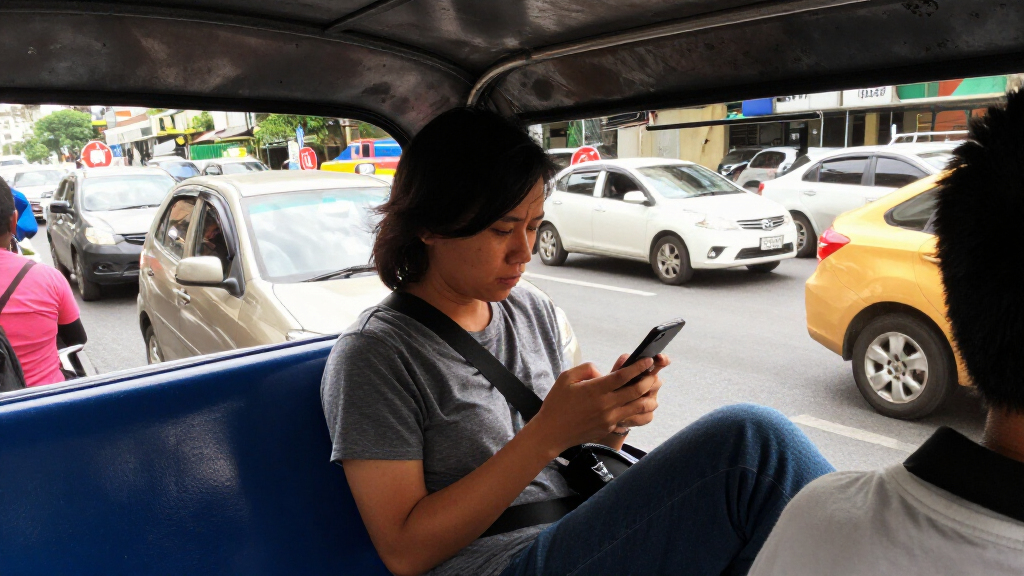
Traffic congestion in Metro Manila is intensifying, with recent reports highlighting worsening conditions. The crisis impacts daily commuters and economic productivity, prompting calls for urgent action. Details on specific causes and government responses remain unclear.
Metro Manila’s traffic congestion has intensified significantly over recent months, according to reports from Inquirer.net, raising alarm among commuters and policymakers. The worsening traffic crisis is impacting daily life and economic activity across the capital region, prompting urgent calls for comprehensive reforms. While specific causes are still under investigation, the trend indicates a persistent and growing problem that demands immediate attention.

Get business pricing on garage and car supplies
- Business-only prices and quantity discounts
- Tax-exempt purchasing
- Multiple users, one account, clear invoices
Recent reports from Inquirer.net highlight a sharp increase in traffic congestion across Metro Manila, with commuters experiencing longer travel times and increased frustration. Data from local transportation agencies indicate that congestion levels have reached new highs, with some areas reporting up to 50% longer travel durations compared to last year. Experts attribute part of the surge to rising vehicle numbers, ongoing infrastructure projects, and inadequate public transportation options. However, officials have not yet provided detailed explanations or comprehensive policy responses to address the crisis.
Public sentiment reflects mounting concern, with many commuters expressing dissatisfaction over the worsening conditions. The Department of Transportation (DOTr) has acknowledged the congestion but has not announced specific measures to mitigate it. Meanwhile, traffic management authorities are deploying additional personnel and equipment in some hotspots, but these measures appear insufficient to stem the trend. The situation has also affected economic productivity, as delays impact businesses and daily commerce.
Impacts on Daily Life and Economic Productivity
The worsening traffic crisis in Metro Manila directly affects millions of commuters, reducing productivity and increasing costs for households and businesses. Prolonged travel times can lead to decreased work hours, higher transportation expenses, and a decline in overall quality of life. The crisis also hampers economic growth, as congestion delays goods movement and discourages investment. Without effective interventions, the situation risks further deterioration, exacerbating social and economic inequalities in the region.Products Worth Considering

Chemical Guys 14-Piece Arsenal Builder Car Wash Kit with Foam Blaster

Chemical Guys Arsenal Builder Car Wash Kit with Foam Cannon and Carry Bag

Chemical Guys 17-Piece Car Detailing Kit
As an affiliate, we earn on qualifying purchases.
Growing Vehicle Numbers and Infrastructure Challenges
Metro Manila has experienced rapid population growth and urbanization over the past decades, leading to a surge in vehicle ownership. Official figures show that vehicle registrations have increased by approximately 20% over the last five years. Despite ongoing infrastructure projects like road expansions and new transit lines, these developments have not kept pace with demand. Previous reports indicated that traffic congestion has been a persistent issue for years, but recent spikes suggest the problem is worsening. The COVID-19 pandemic temporarily reduced traffic, but congestion has rebounded sharply post-lockdowns, revealing systemic issues in urban planning and transportation management.Unconfirmed Causes and Policy Responses
It is not yet clear what specific factors are driving the recent spike in congestion, whether it is primarily due to vehicle volume, infrastructure delays, or other systemic issues. Additionally, official policy responses remain vague, with no detailed plans announced. The effectiveness of existing measures, such as traffic management or infrastructure projects, is also still under assessment. Further investigation is needed to clarify these points.Monitoring and Future Policy Initiatives
Authorities are expected to release updated traffic data and possibly announce new measures aimed at easing congestion. Stakeholders, including local government units and transportation agencies, are likely to convene in the coming weeks to discuss short-term relief strategies and long-term urban planning reforms. Public feedback and independent assessments will influence policy adjustments, but concrete results may take months to materialize.Key Questions
What are the main causes of the traffic crisis in Metro Manila?
The crisis is believed to be driven by rising vehicle ownership, infrastructure limitations, and inadequate public transportation, though specific causes are still being investigated.
Are there any government plans to address the traffic congestion?
Official statements acknowledge the problem, but detailed policy responses or new initiatives have not yet been announced.
How does the traffic crisis affect daily commuters?
Commuters face longer travel times, increased expenses, and greater frustration, which also impacts overall productivity and quality of life.
When can we expect significant improvements?
It is uncertain; immediate measures are under consideration, but comprehensive solutions may take months or longer to implement and show results.
What role do infrastructure projects play in solving the crisis?
While ongoing infrastructure projects aim to improve traffic flow, their current pace and scope are insufficient to fully address the worsening congestion, according to experts.
Source: local