
TL;DR

Get business pricing on garage and car supplies
- Business-only prices and quantity discounts
- Tax-exempt purchasing
- Multiple users, one account, clear invoices
The first ride mistake that makes new motorcyclists look unprepared is skipping essential safety checks, gear, and practice. Proper prep boosts confidence, safety, and professionalism on the road.
Imagine pulling out onto your first ride, feeling a rush of excitement—and a twinge of doubt. If you’re not fully prepared, that moment can quickly turn awkward, or worse, dangerous. Many new riders fall into the trap of overconfidence, thinking they can handle anything without proper prep.
This article cuts through the noise to highlight the one mistake that instantly makes you look unready—so you can ditch the rookie image and ride with confidence from day one. We’ll cover what to check, gear to wear, skills to practice, and how to avoid looking like a newb.
The First Ride Mistake That Makes New Motorcyclists Look Unprepared
TL;DR: The rookie tell is not nerves. It is skipping essential safety checks, proper gear, and controlled practice. A five-minute prep ritual makes you look composed, protects your body, and gives your first ride the quiet confidence it deserves.
Overconfidence before preparation.
Enough time to check tires, brakes, lights, signals, fluids, and visible damage before rolling out.
Bike readiness, rider protection, and basic control skills all need attention before busy streets.
The first-ride prep stack
New riders often focus on the ride itself, but the impression is made before the engine settles. Prepared riders look calm because they have already removed avoidable surprises.
Inspect before ignition
Check tire pressure and tread, brake feel, lights, signals, fluids, chain condition, mirrors, and loose parts. Small checks prevent big roadside drama.
Dress like the ride matters
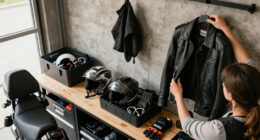
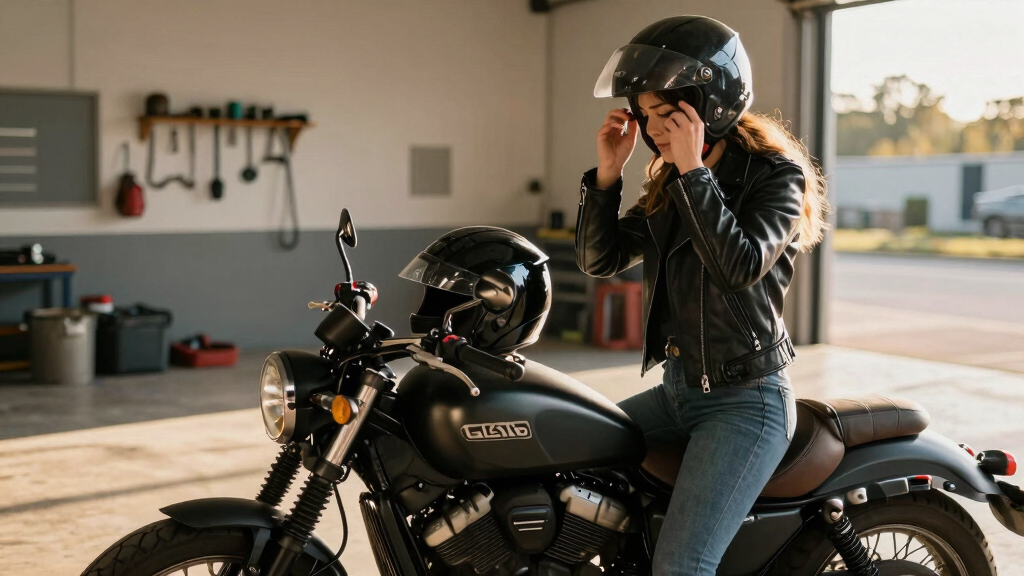
A DOT-approved helmet, gloves, armored jacket, durable pants, and riding boots tell everyone that safety is part of your identity, not an accessory.
Practice low-speed control
Smooth clutch release, steady throttle, clean stops, and slow turns are the difference between composed riding and visibly fighting the bike.
Check
Look over tires, brakes, lights, signals, fluids, and obvious damage.
Gear
Helmet first, then gloves, jacket, pants, and boots before the key turns.
Practice
Warm up starts, stops, slow turns, clutch friction zone, and braking.
Plan
Pick a simple route, review local rules, and check road and weather conditions.
Ride
Start with calm streets, leave space, stay visible, and build gradually.
What skipping prep costs you
These are not abstract safety chores. Each missed step increases the chance of an awkward stall, panic reaction, mechanical issue, or poor first impression.
The comparison that matters
Prepared riding is visible. It shows up in your gear, your route choice, your bike condition, and how calmly you handle basic controls.
| First-ride behavior | Looks prepared? | Best fix | Road effect |
|---|---|---|---|
| Checks tires, brakes, lights, signals, fluids | ✓ Yes | Use a repeatable five-minute checklist | Fewer mechanical surprises |
| Rides in sneakers, T-shirt, or no gloves | ✗ No | Upgrade to helmet, gloves, jacket, pants, boots | Better injury protection |
| Practices clutch and throttle in a lot | ✓ Yes | Drill starts, stops, slow turns, emergency braking | Smoother control under pressure |
| Leaves without checking weather or route | ✗ No | Plan a simple, familiar route before departure | Less hesitation and fewer surprises |
| Uses ABS, courses, tutorials, or simulators | ~ Helpful | Combine tech support with real practice | More confidence, better habits |
Where confidence actually comes from
Confidence is not the same as bravado. The prepared rider earns it through controlled repetition, predictable gear, a checked machine, and a plan for the road ahead.
Before the street, prove the basics.
Spend a focused session on slow clutch control, smooth starts, controlled stops, low-speed turns, shoulder checks, and braking while upright. If the bike feels abrupt in a parking lot, traffic will amplify that feeling.
Beginner courses add feedback from instructors, while modern ABS and traction aids help when traction or panic braking becomes less forgiving.
Readiness spectrum
Modern support that prevents first-ride fails
Tools do not replace judgment, but they can shorten the learning curve. The smartest new riders use structured training, controlled practice, and bike safety features together.
MSF and local schools
Structured beginner classes cover controls, hazard recognition, braking, cornering, and confidence-building in a supervised space.
ABS and traction help
Beginner-friendly safety systems can help stabilize emergency braking and slippery-surface mistakes, especially when reactions get tense.
Practice without traffic
Virtual simulators and tutorials let riders rehearse clutch, throttle, braking, and cornering concepts before adding real-world pressure.
Fast answers for first rides
The goal is simple: remove preventable risk before you leave, then ride a route that lets your skills grow instead of exposing every gap at once.
What safety checks should I do?
Check tire pressure and tread, brake feel, lights, signals, fluids, chain condition, mirrors, and visible loose parts before every ride.
What gear is essential?
Wear a DOT-approved helmet, sturdy gloves, armored jacket, durable pants, and riding boots. Gear is both protection and a preparedness signal.
How should I practice first?
Use an empty parking lot for clutch control, throttle response, smooth starts, clean stops, slow turns, and emergency braking drills.
What makes riders look unprepared?
Skipping safety checks, wearing poor gear, riding in unfamiliar conditions, ignoring weather, and overestimating skill all give the same message: winging it.
Key Takeaways
- Always perform a quick safety check—tires, brakes, lights—before every ride.
- Invest in proper gear; it’s your first line of defense and signals professionalism.
- Practice basic riding skills in a safe space before hitting busy streets.
- Plan your route and check weather conditions to avoid surprises.
- Use modern tech and beginner courses to build confidence and skills.
As an affiliate, we earn on qualifying purchases.
Why Skipping Basic Safety Checks Screws Up Your First Impression
Pre-ride safety checks aren’t just for mechanics—they’re your first line of defense. Skipping them makes you look careless, and more importantly, puts you at risk. Imagine hopping on your bike without checking tire pressure or brake function—you’re risking a blowout or brake failure within miles.
Beyond the immediate safety risks, neglecting these checks sends a message to others that you’re inattentive or inexperienced. This perception can influence how fellow riders and even motorists respond to you, possibly leading to less respect or trust. Proper checks, though quick, demonstrate responsibility and professionalism, which are crucial for building confidence and trust on the road. The tradeoff? Spending a few minutes now to verify your bike’s condition can prevent hours or days of anxiety, breakdowns, or accidents later.
As an affiliate, we earn on qualifying purchases.
What Your Gear Says About How Serious You Are
Wearing the right gear makes a statement: you’re taking riding seriously. Think of gear as your armor—sturdy, reliable, and designed to protect. A rider in a full DOT-approved helmet, armored jacket, gloves, and boots looks confident and ready. This doesn’t just signal preparedness; it can be the difference between walking away from a fall or suffering serious injuries.
On the other hand, inadequate gear—like sneakers, t-shirts, or no gloves—implies a casual attitude that can undermine your safety and credibility. It suggests you might not prioritize your protection, which could encourage risky behavior. Proper gear also influences how others perceive you—showing you respect the sport and safety standards. The tradeoff? Investing in quality gear may seem costly initially but pays off by reducing injury severity and boosting your confidence, ultimately making you a more responsible rider.
As an affiliate, we earn on qualifying purchases.
How to Master the Basic Skills Before Your First Ride
Mastering core riding skills is essential because they form the foundation of safe, confident riding. These skills are not just about control—they influence your ability to react under pressure and handle unexpected situations. Here’s a detailed approach:
- Start in a safe, open space like a parking lot, where you can focus on learning without external pressures.
- Practice slow clutch control and throttle response to develop smoothness, which is crucial for maneuvering and avoiding abrupt movements that can unbalance you.
- Work on smooth starts and stops to build a rhythm that minimizes surprises and maintains stability, especially in traffic or on uneven surfaces.
- Practice leaning and turning at low speeds—these skills are key for navigating curves safely and confidently, reducing the likelihood of wobbling or skidding.
For example, I know a rider who dedicated a weekend to practicing slow turns and clutch control in an empty lot. This focused effort translated into better control during real-world riding—making lane changes smoother and handling curves with more confidence. The tradeoff? Investing time into foundational skills reduces the risk of rookie mistakes, enhances your control, and fosters a sense of mastery that projects confidence on the road.
As an affiliate, we earn on qualifying purchases.
The Common Mistakes That Make You Seem Unprepared — And How to Fix Them
Besides skipping safety checks and gear, other rookie mistakes include riding in unfamiliar conditions without knowing the road or traffic laws. These slip-ups make you look like you’re winging it and can lead to dangerous situations. For instance, riding in bad weather without checking forecasts or understanding how your bike handles rain or wind can catch you off guard, resulting in loss of control or panic reactions.
To avoid this:
- Read local traffic laws before your ride—knowing the rules helps you anticipate what other drivers expect from you, reducing the chances of errors or misunderstandings.
- Check weather and road conditions—understanding the environment allows you to adjust your riding style accordingly and avoid surprises like slick roads or high winds.
- Plan your route in advance—familiarity with your path reduces hesitation, allows better anticipation of hazards, and demonstrates preparation.
For example, a new rider once tried to ride during a thunderstorm because he didn’t check the forecast. Not only did he face dangerous conditions, but he also looked unprofessional and unprepared when he struggled with visibility and road hazards. Planning ahead and knowing what to expect enables you to adapt your riding, stay composed, and project competence—key factors in making a good first impression and staying safe.
How Modern Tech and Training Help You Avoid First-Ride Fails
Today’s tech and training options can make your first ride smoother and safer. Many beginner courses now focus on fundamental skills, safety, and confidence-building—like the Motorcycle Safety Foundation (MSF) courses, which provide structured learning environments and expert guidance. These courses emphasize understanding your bike’s controls, hazard recognition, and riding techniques, which are critical for avoiding rookie mistakes.
Recent innovations include ABS systems and rider aids that help you stay stable and in control, especially during emergency maneuvers or on slippery surfaces. Additionally, virtual simulators provide a risk-free environment for practicing clutch control, braking, and cornering, allowing you to build muscle memory and confidence without the pressure of real traffic. For instance, a new rider I know used a riding simulator to get comfortable with clutch and throttle control. This preparation made his actual first ride less intimidating and more controlled, reducing panic and mistakes.
Frequently Asked Questions
What safety checks should I do before my first ride?
Check tire pressure and tread depth, brake function, lights and signals, fluid levels, and overall bike condition. Spending five minutes now can save you from a breakdown or accident later.What gear is essential for a safe first ride?
A DOT-approved helmet, sturdy gloves, a riding jacket with armor, durable pants, and riding boots. Quality gear protects you and makes you look like you know what you’re doing.How can I improve my riding skills before hitting the road?
Practice in an empty parking lot focusing on clutch control, throttle response, and slow turns. Consider taking a beginner rider course or using virtual simulators to boost your confidence.What mistakes make new riders seem unprepared?
Skipping safety checks, wearing inadequate gear, riding in unfamiliar conditions without planning, or overestimating skills. Fixing these, boosts your safety and appearance.Are there resources to help me prepare for my first ride?
Yes. Motorcycle safety courses like MSF, online tutorials, riding clubs, and local workshops are excellent ways to build skills and confidence before your first adventure.Conclusion
Your first ride isn’t about showing off or rushing into traffic. It’s about respect—for yourself, your bike, and everyone around you. The single best way to look unprepared? Skip the basics.
Take a few extra minutes to check your gear, your bike, and your skills. When you do, every ride feels more like an adventure—less like a gamble. Remember: confidence isn’t born on the road; it’s built beforehand. Gear up, get ready, and ride like you belong there.
Fall Picks
fall essentials
As an affiliate, we earn on qualifying purchases.