TL;DR

Get business pricing on garage and car supplies
- Business-only prices and quantity discounts
- Tax-exempt purchasing
- Multiple users, one account, clear invoices
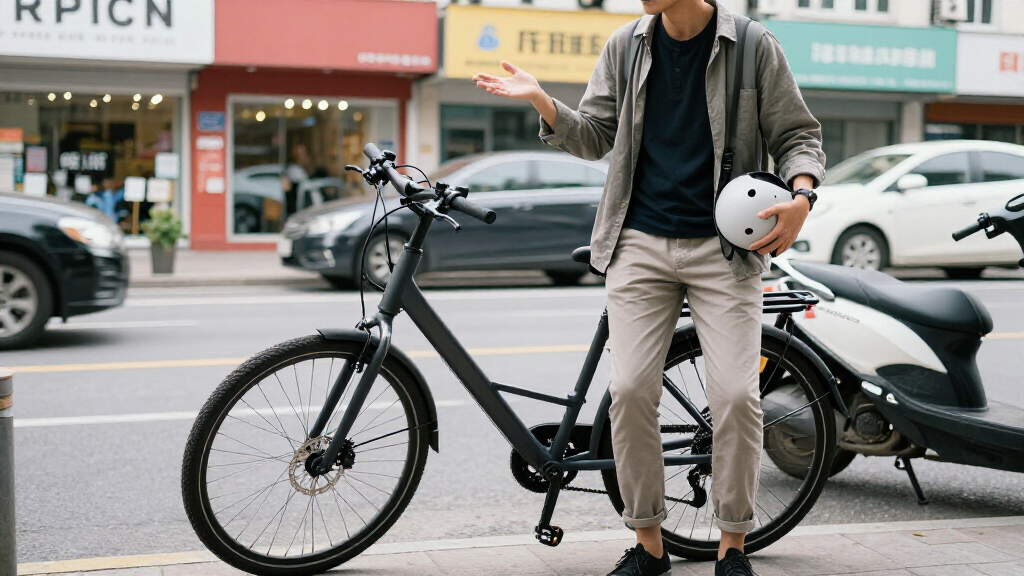
A growing debate questions whether some electric bikes should be classified as e-bikes or mopeds. Definitions vary by jurisdiction, affecting regulations and consumer perceptions. The controversy is fueled by differing legal standards and technical features.
Electric bikes that blur the line between traditional bicycles and motorized vehicles are fueling a classification debate, with no clear consensus among regulators, manufacturers, or users. The core issue is whether these vehicles qualify as e-bikes, which typically have less restrictive regulations, or as mopeds, which face more stringent rules. This ambiguity has implications for safety standards, licensing, and consumer rights.
Recent discussions and legal cases highlight the lack of a uniform standard for classifying electric two-wheelers. Some models equipped with powerful motors and pedals are considered e-bikes in certain regions, while others are deemed mopeds elsewhere. Regulatory agencies such as the U.S. National Highway Traffic Safety Administration (NHTSA) and European authorities have different criteria, often based on motor power, top speed, and pedal assist features.
Manufacturers and consumers are caught in the middle of this ambiguity. Some companies market high-powered electric bikes as e-bikes to avoid licensing fees and registration, while others push for stricter classifications to ensure safety standards. Consumers face confusion over what rules apply to their vehicles, especially when crossing state or country borders.
Legal cases and legislative proposals are emerging, with some jurisdictions proposing to tighten definitions and enforce registration requirements, while others advocate for more flexible standards. The debate is intensifying as electric bikes become increasingly popular for commuting, recreation, and delivery services.
Implications for Regulation and Consumer Rights
This debate impacts regulatory clarity and consumer safety. Clear classification determines licensing, insurance, and safety standards, affecting millions of riders worldwide. Misclassification could lead to safety risks or legal issues, especially as electric bikes become more powerful and versatile.
For consumers, understanding whether their vehicle is an e-bike or moped influences their legal obligations, insurance coverage, and access to certain bike lanes or paths. The lack of a consistent standard complicates purchasing decisions and cross-border travel.
Products Worth Considering

Chemical Guys 14-Piece Arsenal Builder Car Wash Kit with Foam Blaster

Chemical Guys Carbon Force Ceramic Paint Coating Kit, 1 fl oz, with 3 Applicators

DEWALT 20V MAX 5-Tool Cordless Combo Kit with Drill, Impact Driver, Saws, Oscillating Multi-Tool, Batteries, Charger, and Bag (DCK551D1M1)
As an affiliate, we earn on qualifying purchases.
Legal and Regulatory Variations Across Jurisdictions
The classification of electric two-wheelers varies widely by country and even within regions. In the United States, the federal government generally considers e-bikes as bicycles if they meet specific criteria—motor power under 750 watts and a top speed of 20 mph—while some states impose additional licensing or registration requirements. Conversely, in Europe, the European Union defines similar categories but with different speed and power limits, leading to discrepancies in how vehicles are regulated.
The rise of high-powered electric bikes, often with features similar to mopeds, has prompted legislative proposals and court cases challenging existing standards. Some jurisdictions are considering stricter laws to classify and regulate these vehicles, citing safety concerns and the need for insurance and licensing frameworks.
This patchwork of regulations reflects the ongoing struggle to keep pace with technological advancements and market growth, leaving consumers uncertain about their legal obligations and safety standards.
Unresolved Legal Standards and Future Regulations
It is not yet clear whether a universal standard for classifying electric two-wheelers will emerge soon. Different jurisdictions are proposing conflicting criteria, and legal challenges are ongoing. The exact impact on manufacturers, riders, and regulators remains uncertain, with some experts warning that further legal disputes and legislative changes are likely.
Potential Regulatory Reforms and Court Decisions
Legislators and regulators are expected to continue debating and drafting new standards, possibly leading to clearer classifications for electric bikes and mopeds. Court cases challenging existing definitions may influence future policy, and industry stakeholders are watching closely. Consumers should stay informed about local regulations, especially when purchasing or riding high-powered electric two-wheelers.
Key Questions
How is an e-bike different from a moped?
Typically, an e-bike is classified as a bicycle with electric assist, with limits on motor power and speed. A moped usually has a more powerful motor, is subject to licensing, registration, and safety regulations, and often lacks pedal assistance.
Why does the classification matter?
Classification determines legal requirements such as licensing, registration, insurance, and where the vehicle can be legally ridden. It also affects safety standards and consumer protections.
Are high-powered electric bikes considered mopeds everywhere?
No, classification varies by jurisdiction. Some regions may classify high-powered e-bikes as mopeds, while others still consider them bicycles, leading to legal ambiguity.
What is being done to resolve this classification debate?
Legislators and regulators are proposing new standards and definitions, and court cases are challenging existing laws. A unified classification system may emerge, but no consensus has been reached yet.
Should I be concerned about legal issues when riding an electric bike?
Yes, riders should verify local regulations to ensure compliance, especially if their vehicle has high power or speed capabilities that could classify it as a moped or motorcycle.
Source: rss