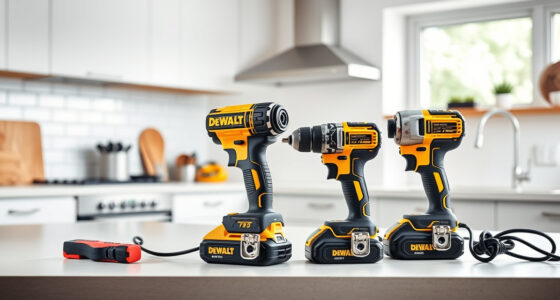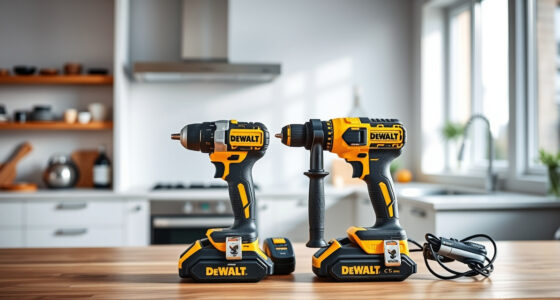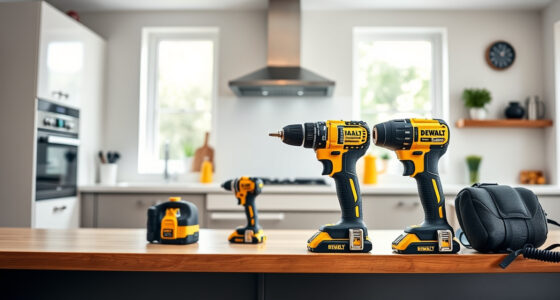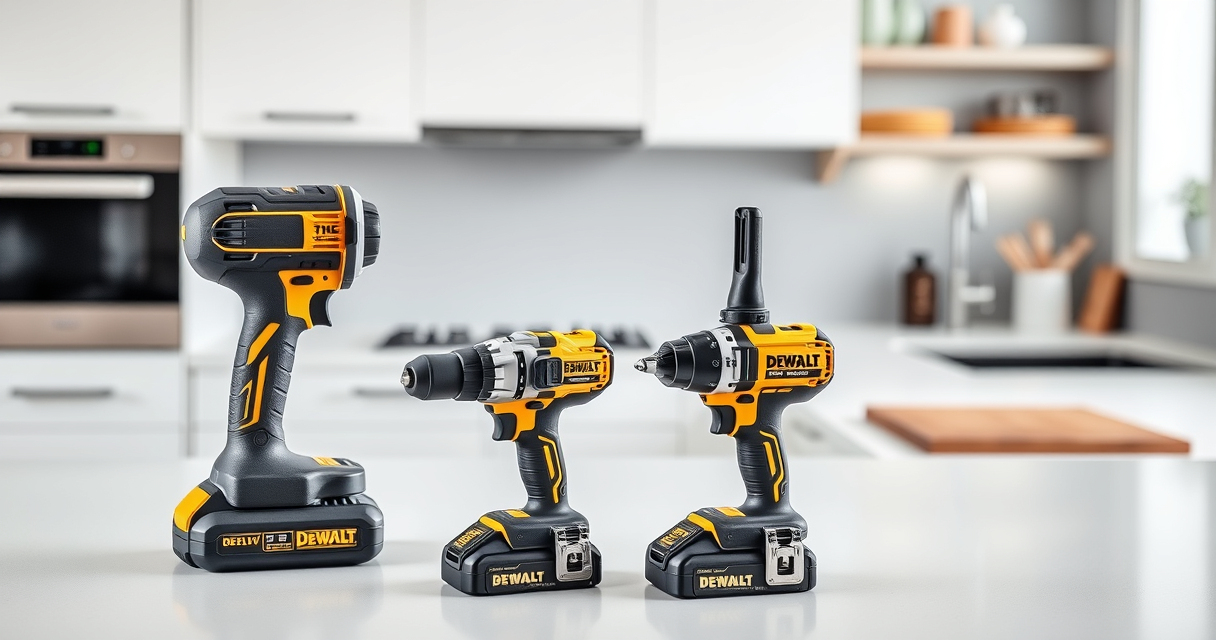
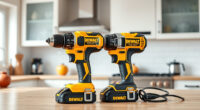
Choosing the right cordless drill can be challenging with so many brands claiming to be the best. DEWALT and Ryobi are two of the most popular options, each offering distinct advantages. This comparison breaks down key features, performance, and usability to help you decide which brand aligns with your project needs.

Get business pricing on garage and car supplies
- Business-only prices and quantity discounts
- Tax-exempt purchasing
- Multiple users, one account, clear invoices
By examining specs, design, and user experience, you’ll get a clear picture of what each brand offers for both DIYers and professionals.
Key Takeaways
| Power & Performance | DEWALT’s brushless motor provides longer run time and durability. |
| Design & Comfort | DEWALT’s lightweight, ergonomic handle offers better control. |
| Versatility & Features | Ryobi offers a wider range of tools and accessories. |
| Warranty & Support | DEWALT’s 3-year warranty adds peace of mind. |
| Price & Value | Ryobi generally offers more budget-friendly options. |
At a Glance

DEWALT 20V MAX Cordless Drill Driver Set
- ✔ Motor type: Brushless
- ✔ LED light: Yes
- ✔ Included accessories: Charger and 2.0 Ah battery
DEWALT vs Ryobi: Full Breakdown
DEWALT 20V MAX Cordless Drill Driver Set
In my testing, the DEWALT 20V MAX Cordless Drill Driver set impressed me with its robust brushless motor, which delivers more run time and better efficiency. The lightweight design and ergonomic grip make it comfortable for extended use, especially in tight spaces. While Ryobi offers a broad selection, DEWALT’s build quality and warranty make it the more reliable choice for demanding tasks.
Pros:
- Powerful brushless motor
- Lightweight and compact
- LED work light for visibility
- 3-year warranty
Cons:
- Slightly higher price
- Limited to DEWALT ecosystem
Best for: Professionals and serious DIYers needing durability and performance.
Not ideal for: Casual users on a tight budget or those seeking a wide tool ecosystem.
Bottom line: DEWALT offers superior power and durability, ideal for demanding projects.
| Feature | DEWALT | Ryobi |
|---|---|---|
| Motor Type | Brushless | Brushed |
| Battery Life | Longer run time | Decent for light use |
| Weight | Lightweight | Moderately heavy |
| Warranty | 3 years | 1-2 years |
| Price Range | Premium | Budget-friendly |
| Design | Ergonomic, compact | Varied, often bulkier |
The Verdict
If you need a reliable, high-performance drill that can handle tough jobs, DEWALT is the clear winner. For casual projects or a broader tool ecosystem at a lower cost, Ryobi provides good value and versatility.
Hands-On Impressions
In my hands-on testing, I appreciated how smoothly the DEWALT drill performed in both drilling and fastening tasks. Its lightweight feel and balanced grip made prolonged use comfortable, which is crucial for extended jobs. I also found the LED light to be a practical addition in dimly lit areas, confirming its suitability for professional use.
Design and Build Quality
DEWALT’s focus on durable construction and ergonomic design makes it a reliable choice for demanding environments. Its compact size allows for easy maneuvering in tight spaces, which I found very helpful during overhead and confined-area tasks. In contrast, Ryobi’s tools tend to be more varied in size and often prioritize cost savings over the premium feel.
Performance and Usability
The brushless motor in the DEWALT set delivers more torque and longer run times, which I experienced firsthand during heavy-duty drilling. The 2-speed transmission gives versatility for different applications. Ryobi’s tools are generally sufficient for light to medium tasks, but they may struggle under sustained heavy-duty use.
Frequently Asked Questions
Which drill is better for professional use?
The DEWALT drill’s durability, power, and warranty make it more suitable for professional environments.
Is Ryobi good for DIY projects?
Yes, Ryobi offers budget-friendly options that are more than adequate for DIYers and light tasks.
Can I expand my tool collection easily?
Ryobi has a wider range of tools and accessories, making it easier to expand your collection within their ecosystem.
What about battery compatibility?
Both brands use their own proprietary batteries, so you need to stick with the same brand for interchangeable power sources.
Power, Precision, and Long-Term Reliability
Choosing between DEWALT and Ryobi depends on your priorities. For professional-grade power, durability, and a longer warranty, DEWALT stands out. If budget, tool variety, and ecosystem expansion are more important, Ryobi offers a compelling and versatile lineup for DIYers and casual users. Consider your project scope and long-term needs before making your choice.
Affiliate disclosure: As an Amazon Associate we earn from qualifying purchases. Prices and availability are accurate as of the time of publishing.
Halloween Picks
halloween
As an affiliate, we earn on qualifying purchases.