
TL;DR

Get garage and car supplies delivered free — and shop member deals
- Fast, free delivery on millions of items
- Access to Prime Big Deal Days deals on October 6–7
- Prime Video, Amazon Music and more included
Motorcycle gear backpacks blend safety, comfort, and weather protection. Modern options feature smart tech, lightweight materials, and customizable designs—perfect for every rider’s needs.
Match backpack size and features to your riding style—daily, touring, or adventure.
Prioritize waterproofing and reflective elements for safety and all-weather riding.
Look for padded straps, adjustable fit, and secure attachment points to stay comfortable and balanced.
Modern backpacks now include tech features like USB ports and Bluetooth for added convenience.
Regularly inspect and clean your backpack to prolong its lifespan and maintain safety features.
What Makes a Motorcycle Gear Backpack Rider-Proof?
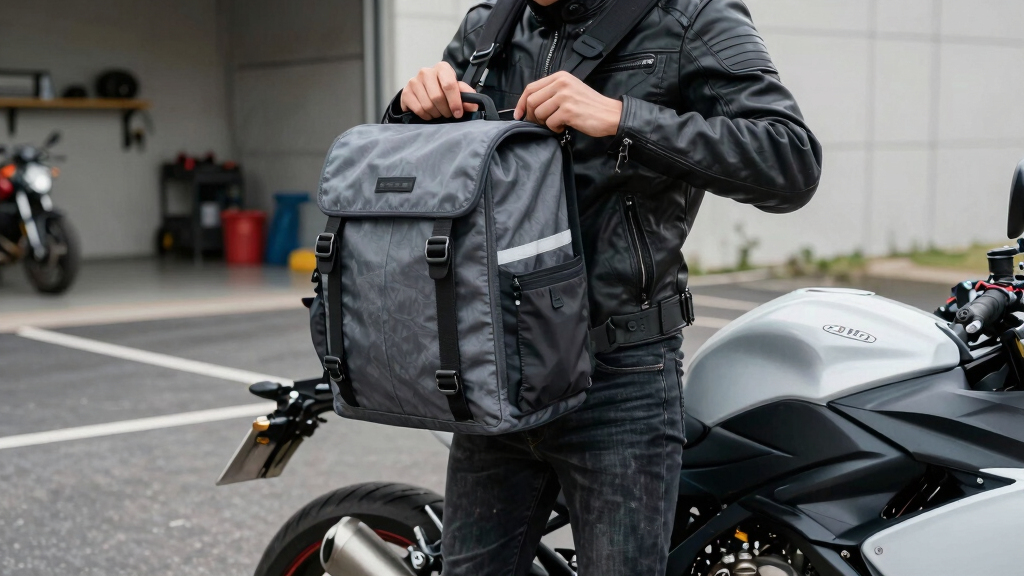
Motorcycle gear backpacks need to be more than just stylish—they must withstand wind, rain, and road debris. Fit and comfort come first. Think padded straps that hug your shoulders, and a back panel that stays cool even after hours in the saddle. Capacity varies from compact 10L packs for quick errands to 30L+ for weekend trips. And don’t forget safety features like reflective patches that glow in headlights, making you visible in low light.
For example, the Kriega R20 packs a punch with a sleek, aerodynamic shape that’s both lightweight and tough. It’s made from waterproof materials, so even a sudden downpour won’t soak your gear. When your backpack fits snugly and feels like an extension of your body, your ride becomes safer and more comfortable.
Choosing a rider-proof backpack isn’t just about waterproofing; it’s about understanding the tradeoffs. A highly waterproof backpack might be less breathable, leading to sweating and discomfort on long rides. Conversely, a vented pack may offer less protection against heavy rain. The key is balancing durability, weather protection, and comfort based on your typical riding conditions. For instance, if you ride daily in unpredictable weather, prioritize waterproofing and reflective safety features. If your rides are mostly short and in good weather, breathability and weight might take precedence. Recognizing these tradeoffs helps you select a backpack that aligns with your riding habits and ensures safety without sacrificing comfort.
As an affiliate, we earn on qualifying purchases.
Latest Tech and Trends in Motorcycle Backpacks
Motorcycle backpacks aren’t just about durability anymore. The latest models integrate tech to keep you connected and enhance safety. USB ports for charging gadgets and Bluetooth compatibility for navigation are now common, reflecting a shift toward smarter riding gear. These features allow riders to stay connected without sacrificing safety, but they also introduce potential points of failure—so quality and weatherproofing matter more than ever.
Manufacturers also focus on waterproof fabrics, with roll-top closures and advanced coatings that repel water without adding bulk. This combination ensures your electronics stay dry while maintaining a sleek profile. Lightweight, eco-friendly materials are gaining ground, reducing rider fatigue and supporting sustainable practices. Modular designs, such as removable compartments or adjustable straps, offer customization, allowing riders to adapt their packs for different trips—whether daily commuting or extended tours.
Ventilation systems have also improved, with mesh panels and vents that let heat escape, keeping you cool on long rides. These innovations are not just about convenience—they directly impact rider safety and comfort. For example, a well-ventilated backpack reduces fatigue caused by overheating, which can impair focus and reaction times. As tech continues to evolve, future backpacks are likely to incorporate features like integrated GPS tracking, solar charging panels, and smart sensors that monitor load distribution and rider posture. These advancements are designed to make riding safer, more efficient, and more connected, emphasizing the importance of choosing high-quality, well-designed gear that integrates seamlessly with your riding lifestyle.
As an affiliate, we earn on qualifying purchases.
How to Pick the Perfect Motorcycle Backpack for Your Rides
- Assess your riding style thoroughly. Are you commuting daily, embarking on long-distance tours, or engaging in off-road adventures? Each style demands different features—daily riders benefit from quick-access pockets and reflective safety elements, while touring riders need larger capacities and hydration compatibility. Understanding your riding patterns helps prioritize what features matter most, ensuring your backpack complements your specific needs.
- Check waterproofing with a critical eye. Not all water-resistant fabrics are equal. Look for IPX4-rated or higher, which indicates protection against splashes from all directions, but consider your local weather. If you frequently encounter heavy rain, opt for fully waterproof materials like Cordura with sealed seams and roll-top closures. Remember, a poorly chosen waterproofing level can lead to gear damage, but over-engineering might add unnecessary weight and bulk for lighter rides. Additionally, consider the type of waterproofing—some materials use coatings that can wear over time, while others rely on sealed seams. Understanding these differences helps you choose a backpack that maintains its protective qualities over years of use, ensuring your gear stays dry even in the worst weather.
- Prioritize comfort and fit by trying on different models. Adjustable straps, padded back panels, and ergonomic design are crucial. But also consider weight distribution—straps that allow load balancing prevent fatigue and back strain. A pack that shifts or feels uncomfortable can distract you or even compromise safety. Think about the material’s breathability—ventilated padding can significantly improve comfort on long rides. Remember, a well-fitted backpack reduces fatigue, enhances control, and minimizes the risk of shifting loads during aggressive maneuvers, which can be dangerous in traffic or off-road conditions.
- Evaluate your storage needs carefully. Do you carry a laptop, tools, or just essentials? Look for dedicated compartments that protect fragile items, and consider modular designs that let you customize your gear organization. Overstuffed packs can shift your center of gravity and affect handling, so choose a size that matches your typical load without excess. Also, think about accessibility—quick-release zippers or external pockets can save time and reduce hassle, especially during stops or when you need to access essentials quickly.
- Look for safety features beyond reflective patches. Secure attachment points, quick-release buckles, and stability straps help prevent shifting and enhance visibility. Some backpacks also include integrated LED lights or reflective piping that increase your visibility from all angles, especially in low-light conditions. Remember, safety isn’t just about visibility—securely attached gear prevents accidents caused by shifting loads during quick maneuvers. Additionally, consider the durability of attachment points and straps—high-quality hardware reduces the risk of failure during aggressive riding or long-term use.
For example, if you commute daily, a 15L pack with reflective stripes and a quick-release chest strap offers convenience and safety. For long-distance touring, a larger 25-30L pack with hydration compatibility and multiple compartments ensures you’re prepared for extended rides. Tailoring your choice to your riding style maximizes comfort, safety, and functionality. Remember, the right pack is an investment in your safety and riding enjoyment, so take the time to evaluate these features carefully to find a model that truly fits your needs.
As an affiliate, we earn on qualifying purchases.
Frequently Asked Questions
How do I know if a backpack is truly waterproof?
Look for ratings like IPX4 or higher, and check if it uses roll-top closures or sealed zippers. Testing in rain or using a rain cover can also confirm water resistance.Can I carry a laptop safely in my motorcycle backpack?
Many backpacks include padded compartments specifically designed for laptops and electronics. Just ensure the size fits your device and the compartment is well-padded.Are helmet storage options available in backpacks?
Yes, some models feature dedicated helmet compartments or attachment straps, making it easy to carry your helmet securely.What materials last the longest against road debris and weather?
Abrasion-resistant fabrics like ballistic nylon or TPU-coated polyester stand up best to rough roads and weather exposure.How should I clean and maintain my motorcycle backpack?
Spot clean with mild soap and water, avoid harsh chemicals, and air dry. Always follow the manufacturer’s instructions for best results.adventure motorcycle gear backpack
As an affiliate, we earn on qualifying purchases.
As an affiliate, we earn on qualifying purchases.
Conclusion
A well-chosen motorcycle gear backpack turns every ride into a safer, more organized adventure. Think about your typical trips—what you carry, the weather you face—and pick a pack that adapts. When your gear stays dry, your focus stays sharp. Ride smart, pack smart, and let your backpack be your trusty co-pilot.Fall Picks
fall essentials
As an affiliate, we earn on qualifying purchases.