TL;DR

Get business pricing on garage and car supplies
- Business-only prices and quantity discounts
- Tax-exempt purchasing
- Multiple users, one account, clear invoices
Belgian manufacturer Ridley has introduced the 6.2kg Falcn RS 2.0, a lightweight climbing bike, alongside its aero Kanzo Fast 2.0. The pairing contrasts with recent efforts by brands to combine aero and climbing performance in one race bike, while raising a separate question for everyday riders: whether owning one versatile bike is really the goal.
Belgian bike manufacturer Ridley has introduced the 6.2kg Falcn RS 2.0, a lightweight climbing bike, while keeping its aero-oriented Kanzo Fast 2.0 in the range. The two-bike lineup contrasts with the industry’s recent push toward race bikes that combine climbing and aerodynamic capabilities, and has revived debate about whether one bike can — or should — cover every kind of riding.
Cycling Weekly reports that the Falcn RS 2.0 is designed for climbing, while the Kanzo Fast 2.0 represents Ridley’s aero-focused option. The publication describes the pairing as a two-pronged approach to high-level racing. The source does not provide further launch specifications, pricing, availability dates or independent performance testing for the new model.
The argument over a single do-it-all bike applies both to professional racing and to everyday cyclists, but those are different questions. A pro team may choose equipment around race demands and courses; recreational riders may want one bike to commute, ride on roads and trails, or use for racing. What counts as versatile depends on which of those activities a rider actually does.
Cycling Weekly also points to a possible broader change in the racing market: after several brands merged aero and climbing features into one model, it says there are rumblings that manufacturers could return to offering more distinct bikes. That possibility is presented as a trend to watch, not as a confirmed industry-wide shift.
Why Race Bikes May Split Again
Ridley’s two-model approach matters because it challenges a product strategy that has shaped several high-end road ranges: combine features in a single race bike rather than maintain separate aero and climbing models. If more manufacturers follow Ridley’s example, riders and teams could again face a clearer choice between bikes optimized for different priorities.
For consumers, that does not automatically mean a second bike is necessary. More specialized options can give riders a better match for their main use, but they can also mean higher costs and more storage and maintenance. The practical question is not whether one bike is universally best; it is whether a rider’s mix of roads, trails, commuting and racing justifies different equipment.
The report’s playful argument that buying and imagining future bikes is part of cycling culture is commentary, not evidence of what most riders want. Its more useful point is that a bike described as “do-it-all” may still make trade-offs, and those trade-offs matter differently to different owners.
As an affiliate, we earn on qualifying purchases.
From Merged Race Models to Two
Bike companies have experimented with merging aero and climbing designs. Cycling Weekly cites Specialized’s 2020 decision to discontinue its Venge aero bike and build more aerodynamic capabilities into the Tarmac, positioning that model to cover both roles. The report notes that the Tarmac subsequently had victories in the Tour de France Femmes and at the World Championships.
The article also names Cannondale’s SuperSix Evo and Trek’s Madone Gen 8 as examples of the broader move toward bikes intended to cover more than one race-bike role. It does not compare their specifications or establish that every manufacturer has adopted the same strategy. Ridley’s decision is a counterpoint, not proof that the entire market is reversing course.
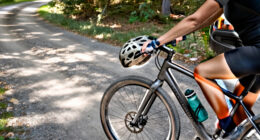
For everyday riding, Cycling Weekly identifies gravel bikes as a candidate for covering a broad range of uses, from long road rides to off-road routes, commuting and cyclo-cross. That is a general observation in the report, not a claim that every gravel bike suits every rider or replaces every specialist machine.
““One bike to rule them all” – where’s the fun in that?”
— Cycling Weekly, in its report headline
As an affiliate, we earn on qualifying purchases.
Specifications and Market Response
The source material does not state the Falcn RS 2.0’s price, sale date, full specifications or how its claimed 6.2kg weight is measured. It also offers no independent testing to establish how the bike performs against competitors or how it compares with Ridley’s other models.
It remains unclear whether other manufacturers will return to separate aero and climbing bikes. Cycling Weekly reports “rumblings” of a possible change, but identifies no confirmed new model announcements from other brands in support of that prediction. Nor does the report offer survey data on how many recreational riders prefer one bike or several.
As an affiliate, we earn on qualifying purchases.
Watch for More Model Announcements
The next concrete details to watch for are Ridley’s pricing, availability and complete specifications for the Falcn RS 2.0. Further launches from other manufacturers will show whether its separate-bike strategy is part of a wider shift or a choice specific to Ridley. For riders weighing a purchase, the report’s examples point to a practical next step: compare a bike’s intended use with the roads, trails and everyday trips they actually ride.
As an affiliate, we earn on qualifying purchases.
Key Questions
What has Ridley announced?
Ridley has introduced the 6.2kg Falcn RS 2.0, a lightweight climbing bike, while retaining the aero-oriented Kanzo Fast 2.0 in its range, according to Cycling Weekly.
Does Ridley’s lineup prove that the cycling industry is abandoning one-bike race models?
No. The report describes a possible shift and cites Ridley’s two-model approach, but does not confirm that other manufacturers are reversing their strategies.
Can one bike cover commuting, road rides and trails?
That depends on the rider and the bike. Cycling Weekly describes gravel bikes as capable of covering several kinds of riding, but a bike’s suitability depends on its design and the rider’s needs.
What details about the Falcn RS 2.0 are still missing?
The source does not give its price, availability date or full specifications, or explain how the reported 6.2kg weight was measured.
Source: rss
Columbus Day / Indigenous Peoples' Day Picks
long weekend sales
As an affiliate, we earn on qualifying purchases.