
TL;DR

Get business pricing on garage and car supplies
- Business-only prices and quantity discounts
- Tax-exempt purchasing
- Multiple users, one account, clear invoices
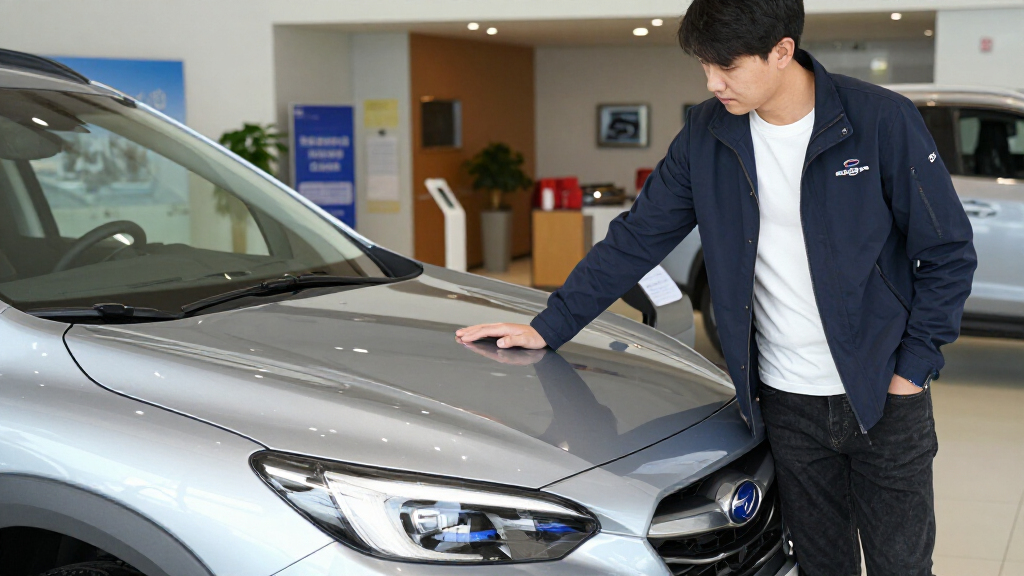
Subaru is investing heavily in electric vehicle marketing and sales, spending three times more per unit than on traditional gasoline cars. Despite this, EV sales are not meeting targets. The strategy appears ineffective so far, prompting reevaluation.
Subaru is spending three times more to sell each electric vehicle (EV) than traditional gasoline cars, yet EV sales remain stagnant. This discrepancy highlights a significant challenge for Subaru’s EV strategy, which is now under scrutiny as sales figures do not justify the increased marketing and sales expenditure.
According to recent industry reports, Subaru’s marketing and sales costs for EVs are approximately three times higher per vehicle than those for gasoline-powered models. Despite this elevated spending, EV sales have not shown a corresponding increase, with figures remaining below expectations. Subaru’s executives and analysts are now questioning the effectiveness of their current approach, which involves aggressive marketing campaigns and incentives.
Subaru’s CEO, Tomomi Nakamura, acknowledged in a recent earnings call that the company is investing heavily in EV infrastructure, marketing, and incentives, but admitted that sales growth has been slower than anticipated. Industry experts suggest that Subaru’s challenge may stem from consumer perceptions, brand positioning, or competitive pressures from other automakers with more established EV offerings.
While Subaru’s overall EV sales volume remains modest, the company’s financial reports reveal that the cost to acquire each EV customer is significantly higher than for traditional cars, raising concerns about long-term profitability and market strategy.
Implications of High Spending Without Corresponding Sales Growth
This situation underscores the difficulty traditional automakers face in transitioning to electric vehicles. Despite increased marketing investments, consumer adoption remains sluggish, which could impact Subaru’s future profitability and market share. The case also raises broader questions about the effectiveness of high marketing spend in the EV market and whether other strategies might be more successful.
As an affiliate, we earn on qualifying purchases.
Subaru’s EV Strategy and Market Challenges
Subaru launched its EV lineup amid rising industry competition and shifting consumer preferences. Historically known for rugged, gasoline-powered vehicles, Subaru has committed to electrification, with plans to expand its EV offerings. However, the transition has been slow, and the company’s EV sales have lagged behind expectations. Industry analysts note that Subaru’s marketing efforts have increased significantly over the past year, yet sales figures have not reflected this investment.
Other automakers, such as Tesla, GM, and Ford, have seen more rapid growth in EV sales, often supported by established brand recognition and extensive charging networks. Subaru’s challenge lies in overcoming brand perceptions and building consumer trust in its EV products amid fierce competition.
Previous efforts to boost EV sales included incentives and promotional campaigns, but these have not resulted in a proportional increase in sales volume, prompting questions about the sustainability of Subaru’s current approach.
electric vehicle accessories for Subaru
As an affiliate, we earn on qualifying purchases.
As an affiliate, we earn on qualifying purchases.
Unclear Factors Behind the Sales Shortfall
It is not yet clear why Subaru’s increased marketing spend is not resulting in higher EV sales. Possible factors include consumer perception issues, limited charging infrastructure, or competitive disadvantages. Details about internal sales data and consumer feedback remain undisclosed, and industry insiders continue to analyze the root causes.
As an affiliate, we earn on qualifying purchases.
Subaru’s Next Steps in EV Market Strategy
Subaru is expected to reassess its marketing and sales strategies, potentially shifting focus toward product development, pricing, or expanding charging infrastructure. The company may also adjust its marketing campaigns or introduce new incentives to boost EV adoption. Monitoring upcoming quarterly sales reports and strategic announcements will be key to understanding how Subaru plans to address this challenge.
As an affiliate, we earn on qualifying purchases.
Key Questions
Why is Subaru spending so much more on EV sales?
Subaru is investing heavily in marketing, infrastructure, and incentives to promote its EV lineup, aiming to compete in a rapidly evolving market.
Are Subaru’s EV sales increasing?
No, despite the higher spending, EV sales have remained relatively stagnant and below expectations.
What are the main challenges Subaru faces in selling EVs?
Challenges include consumer perceptions, brand positioning, limited charging infrastructure, and stiff competition from other automakers with more established EV offerings.
Could Subaru change its approach to boost EV sales?
Yes, the company is likely to reevaluate its strategy, possibly focusing more on product improvements, pricing, or expanding infrastructure to attract buyers.
What does this mean for Subaru’s future in EVs?
If current strategies do not improve sales, Subaru may need to significantly alter its approach to remain competitive in the EV market.
Source: rss
Evergreen bestsellers Picks
bestsellers
As an affiliate, we earn on qualifying purchases.