
TL;DR

Get business pricing on garage and car supplies
- Business-only prices and quantity discounts
- Tax-exempt purchasing
- Multiple users, one account, clear invoices
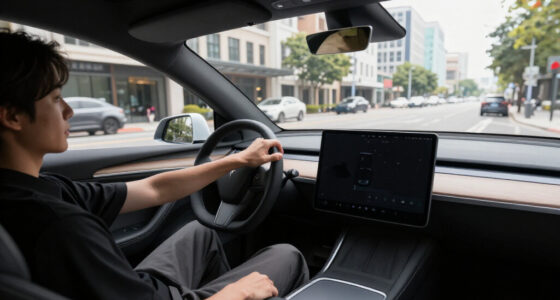
The European Union has implemented a new regulation requiring all new cars sold within member states to include driver monitoring cameras. This move aims to improve road safety by detecting driver drowsiness and distraction. The rule is effective immediately, affecting manufacturers and consumers alike.
The European Union has officially mandated that all new cars sold within member states must include a driver monitoring camera. This regulation aims to enhance road safety by detecting signs of driver drowsiness or distraction. The rule applies to every new vehicle entering the market and is effective immediately, marking a significant shift in automotive safety standards across the EU.
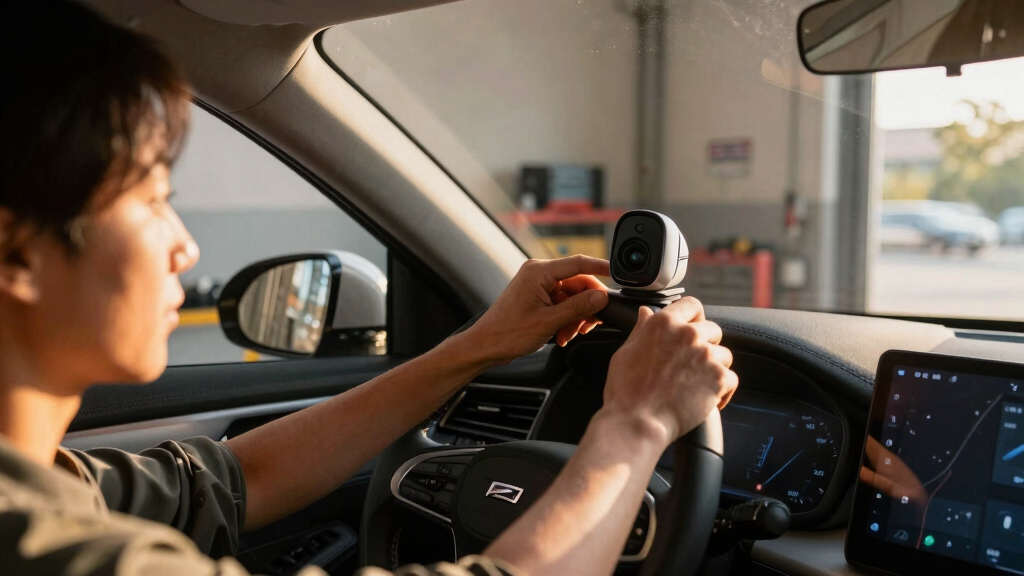
The regulation was announced by the European Commission on March 26, 2026, and is now in force. It requires automakers to install driver monitoring systems that use cameras to observe the driver’s face and eye movements, ensuring alertness during driving. The mandate covers all passenger cars, commercial vehicles, and electric vehicles sold in the EU, regardless of brand or country of origin.
Manufacturers are now required to meet specific technical standards for these cameras, which must be capable of detecting signs of drowsiness, distraction, or impairment. The regulation aims to reduce accidents caused by driver fatigue and inattention, which EU officials say account for a significant proportion of road fatalities.
While the regulation is clear on the requirement, details about compliance deadlines for existing models or phased implementations are still emerging. Some industry groups have raised concerns about privacy and data security, but the EU emphasizes that the systems must comply with strict data protection laws.
Implications for Automotive Safety and Industry Standards
This regulation marks a major shift in vehicle safety standards within the EU, aligning with efforts to reduce road accidents and fatalities. By mandating driver monitoring cameras, the EU aims to address a key factor in traffic crashes: driver fatigue and distraction. For automakers, this introduces new technical and compliance challenges, potentially influencing vehicle design and manufacturing costs. For consumers, it could enhance safety but also raises questions about privacy and data security, which regulators say will be strictly controlled.
As an affiliate, we earn on qualifying purchases.
EU Safety Regulations and Technological Advances
The EU has been progressively tightening vehicle safety standards over the past decade, including mandatory crash tests and advanced driver-assistance systems (ADAS). The recent mandate for driver monitoring cameras builds on these efforts, reflecting a broader trend toward integrating artificial intelligence and biometric sensors into vehicles. Similar regulations are being considered or implemented in other regions, but the EU’s move is among the most comprehensive to date.
Historically, driver fatigue has been a leading cause of road accidents in Europe, prompting regulators to seek technological solutions. Companies specializing in driver monitoring systems have seen increased interest, and several automakers have already begun integrating such features voluntarily.
Prior to this regulation, some car manufacturers installed driver alert systems as optional features, but the EU’s new rule makes it mandatory for all new vehicles, representing a significant policy shift.
“This regulation aims to save lives by ensuring drivers remain alert and attentive at all times.”
— European Commission spokesperson
driver drowsiness detection system
As an affiliate, we earn on qualifying purchases.
As an affiliate, we earn on qualifying purchases.
Unresolved Details on Implementation and Privacy
While the regulation is clear on the requirement for driver monitoring cameras, specific compliance deadlines for existing models remain unclear. It is also uncertain how enforcement will be carried out across different member states. Additionally, concerns about data security and privacy protections persist, with details on how driver data will be stored and protected still to be clarified.
As an affiliate, we earn on qualifying purchases.
Next Steps for Manufacturers and Regulators
Automakers must now update their vehicle designs to include compliant driver monitoring systems for all new models. Regulatory bodies are expected to publish detailed guidelines on technical standards and compliance procedures shortly. Enforcement efforts will likely begin with inspections at dealerships and manufacturing facilities. Meanwhile, industry groups and privacy advocates will monitor how data privacy is managed under the new rules.
As an affiliate, we earn on qualifying purchases.
Key Questions
When does the driver monitoring camera requirement take effect?
The regulation is effective immediately as of March 26, 2026, meaning all new cars sold in the EU must include the system from now on.
Are all types of vehicles affected?
Yes, the mandate covers all passenger cars, commercial vehicles, and electric vehicles sold within the European Union.
Will this increase vehicle prices?
Potentially, as manufacturers will need to incorporate new technology, but specific cost impacts are still being evaluated.
What about privacy concerns?
EU regulators emphasize that driver data must be protected under strict data privacy laws, though concerns from privacy groups continue.
Will existing vehicles be retrofitted?
No, the regulation applies only to new vehicles sold after implementation. Retrofitting existing vehicles is not covered.
Source: hn
Columbus Day / Indigenous Peoples' Day Picks
long weekend sales
As an affiliate, we earn on qualifying purchases.