
TL;DR

Get business pricing on garage and car supplies
- Business-only prices and quantity discounts
- Tax-exempt purchasing
- Multiple users, one account, clear invoices
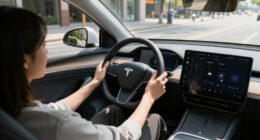
Mercedes’ CEO has publicly criticized the auto industry’s move away from physical buttons, saying it has gone ‘too far.’ This highlights ongoing debates about vehicle design and driver safety amid increasing reliance on touchscreens.
Mercedes-Benz’s CEO has publicly stated that the auto industry has gone ‘too far’ in eliminating physical buttons from vehicle interiors, raising concerns about usability and safety for drivers. This marks a rare industry-wide critique amid ongoing shifts toward touchscreen controls and minimalistic dashboards.
The CEO of Mercedes-Benz, Ola Källenius, made the remarks during a recent industry conference, emphasizing that the move away from physical buttons has compromised driver convenience and safety. He argued that tactile buttons are essential for quick, distraction-free operation, especially in critical situations.
While many automakers have transitioned to large touchscreens and digital controls to achieve sleek, modern interiors, critics like Källenius suggest that this trend may have gone too far, potentially increasing driver distraction and reducing ease of use. Mercedes has traditionally maintained a mix of physical controls alongside digital interfaces, but recent models are increasingly touchscreen-centric.
Impact of Industry-Wide Shift on Driver Safety
This critique is significant because it highlights a growing debate about vehicle safety and user experience. If drivers find digital controls less intuitive or harder to operate quickly, it could lead to increased distraction and accidents, raising regulatory and safety concerns for automakers.
As an affiliate, we earn on qualifying purchases.
Trend Toward Minimalist Interior Design and Its Challenges
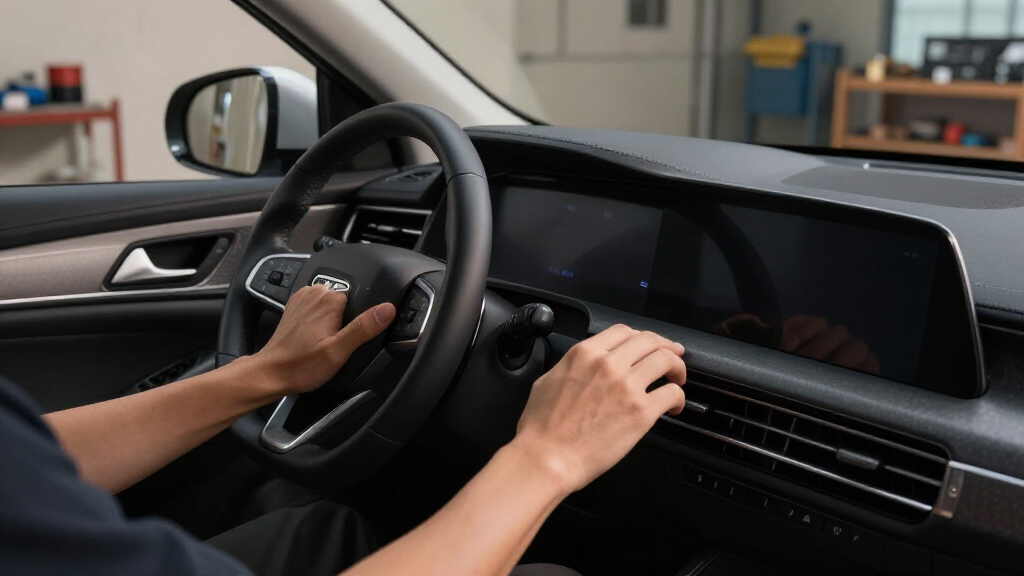
Over the past few years, many car manufacturers have adopted minimalist dashboards featuring large touchscreens and fewer physical buttons. This design trend aims to modernize vehicles and appeal to tech-savvy consumers. However, critics argue that this approach can compromise usability and driver safety, especially in situations requiring quick adjustments.
Mercedes has been at the forefront of this design shift, but Källenius’s comments suggest a reconsideration of the balance between aesthetics and functionality. The industry’s move away from tactile controls has been largely driven by the desire for sleek, futuristic interiors, but safety advocates warn of potential drawbacks.
“We’ve gone too far in removing physical buttons; drivers need tactile feedback for safety and ease of use.”
— Ola Källenius, Mercedes CEO
As an affiliate, we earn on qualifying purchases.
Extent and Industry Response to Källenius’s Critique
It is not yet clear how automakers will respond to Källenius’s comments or whether this will lead to a shift back toward physical controls in future models. Details about industry consensus or regulatory responses remain pending.automotive safety touchscreen alternatives
As an affiliate, we earn on qualifying purchases.
As an affiliate, we earn on qualifying purchases.
Potential Industry Revisions and Regulatory Discussions
Automakers may reconsider the balance between digital and physical controls in upcoming models, possibly reintroducing more tactile buttons. Regulatory agencies could also evaluate the safety implications of current designs, potentially leading to new guidelines or standards.
As an affiliate, we earn on qualifying purchases.
Key Questions
The CEO believes that physical buttons provide essential tactile feedback, which improves safety and ease of use, especially during critical driving situations.
Could this criticism influence future vehicle designs?
It is possible that automakers will reevaluate their interior designs to include more physical controls, balancing aesthetics with driver safety and usability.
Are regulators involved in this debate?
Currently, there is no official regulatory action, but safety concerns raised by industry leaders might prompt future discussions or standards regarding vehicle control interfaces.
Many new vehicles feature large touchscreens and minimal physical controls, but the extent varies by manufacturer and model.
What are the safety risks of relying solely on touchscreen controls?
Touchscreens can increase distraction, reduce tactile feedback, and slow driver responses in critical moments, potentially raising accident risks.
Source: rss
Fall Picks
fall essentials
As an affiliate, we earn on qualifying purchases.