
TL;DR

Get business pricing on garage and car supplies
- Business-only prices and quantity discounts
- Tax-exempt purchasing
- Multiple users, one account, clear invoices
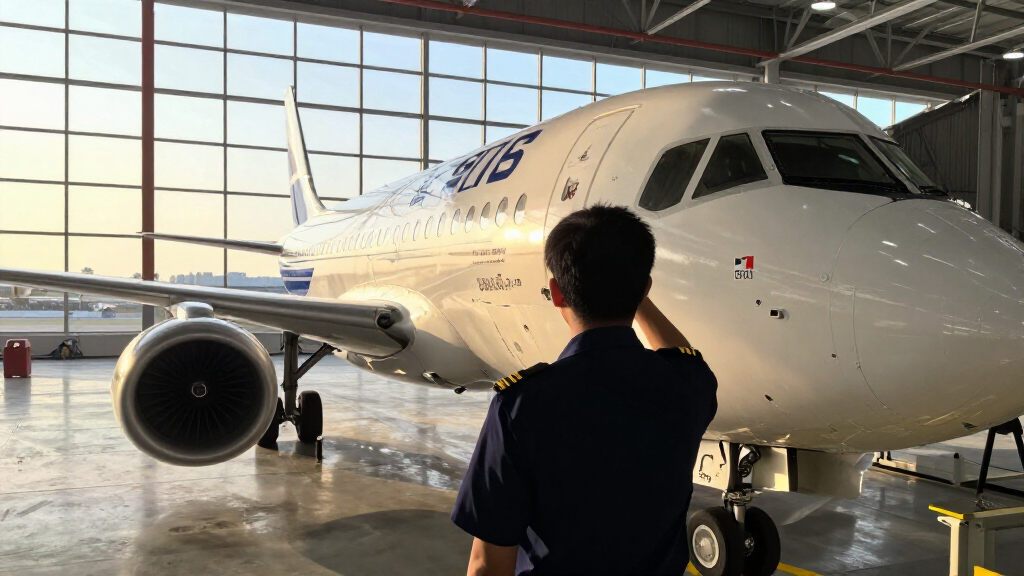
China’s C919 commercial jetliner has achieved major development milestones, including successful test flights and certification progress. These steps advance China’s goal of competing in the global commercial aircraft market.
China’s domestically developed C919 jetliner has reached several key milestones, including successful test flights and progress toward certification, according to official reports from 极目新闻. These developments mark a significant step in China’s efforts to establish a competitive presence in the global commercial aircraft industry.
The C919, developed by the Commercial Aircraft Corporation of China (COMAC), has completed multiple successful test flights since its first flight in 2017. Recently, the aircraft received important certification approvals from Chinese aviation authorities, paving the way for commercial operations. The aircraft is designed to compete with similar models from Airbus and Boeing, aiming to reduce China’s reliance on foreign aircraft imports. According to official sources, the aircraft’s performance during testing has met all required safety and efficiency standards. The aircraft’s development has been supported by significant government backing, reflecting China’s strategic goal to become a major player in the commercial aviation sector.Industry analysts note that reaching these milestones enhances China’s credibility in aircraft manufacturing and could lead to the C919’s entry into international markets. The aircraft is expected to undergo further certification processes in other jurisdictions, including the potential approval for international flights, although these steps are still underway. The C919’s success is also seen as a key component of China’s broader ambitions to develop high-tech manufacturing capabilities and reduce dependence on Western aerospace technology.
Implications for China’s Aviation Industry
The milestones achieved by the C919 mark a pivotal point for China’s ambitions to become a global leader in commercial aircraft manufacturing. Successfully progressing through test flights and certification processes demonstrates the aircraft’s readiness for commercial use, which could challenge established players like Airbus and Boeing. This development is expected to influence the competitive landscape of the international aviation market and could lead to increased exports of Chinese-built aircraft. Additionally, the C919’s success may accelerate China’s technological advancements in aerospace, with broader implications for its high-tech manufacturing sector and national strategic goals.
commercial aircraft model scale replica
As an affiliate, we earn on qualifying purchases.
As an affiliate, we earn on qualifying purchases.
Development Timeline and Industry Background
The C919 was officially announced in 2008 as part of China’s broader plan to develop a domestically produced commercial jetliner. Its first flight took place in May 2017, marking a significant milestone after years of research and development. The aircraft is designed to seat approximately 158 to 174 passengers and aims to compete with Airbus A320 and Boeing 737 models. Over the past few years, the aircraft has undergone extensive testing, including ground and flight tests, to meet safety and performance standards. The project has faced delays and technical challenges, common in aerospace development, but recent certification milestones suggest that China is on track to introduce the aircraft into commercial service soon. The C919’s development is part of a broader national strategy to reduce reliance on foreign aerospace technology and foster innovation within China’s aerospace industry.
“The successful milestones demonstrate our commitment to safety, reliability, and technological excellence.”
— Li Jian, chief engineer of COMAC
airplane pilot headset with noise cancellation
As an affiliate, we earn on qualifying purchases.
As an affiliate, we earn on qualifying purchases.
Remaining Certification and Market Entry Challenges
While the aircraft has achieved key milestones within China, it is still unclear when it will receive certification for international flights outside China, which is essential for global market entry. Certification processes in other jurisdictions, such as Europe and the United States, involve stringent safety and performance evaluations, and it is not yet confirmed when or if these will be completed. Additionally, questions remain about the aircraft’s competitiveness in terms of operational costs and customer acceptance compared to established Western models.
As an affiliate, we earn on qualifying purchases.
Next Steps for Commercial Launch and International Certification
The immediate next steps include completing the remaining certification procedures in China, followed by efforts to secure approvals from international aviation authorities. COMAC is also expected to conduct further tests and gather operational data to support these certifications. The company may begin limited commercial flights within China as early as late 2024 or early 2025, with broader international market entry contingent on certification outcomes. Industry observers will closely monitor these developments for signs of market acceptance and competitive positioning.
aviation safety certification books
As an affiliate, we earn on qualifying purchases.
As an affiliate, we earn on qualifying purchases.
Key Questions
What are the main milestones achieved by the C919 so far?
The C919 has completed successful test flights and received certification approval from Chinese authorities, marking critical steps toward commercial use.
When is the C919 expected to enter commercial service?
While exact dates are not confirmed, industry sources suggest the aircraft could begin limited commercial flights within China by late 2024 or early 2025.
Will the C919 be certified for international flights?
The aircraft is undergoing certification processes in other jurisdictions, but approval for international flights outside China has not yet been confirmed.
How does the C919 compare to Airbus and Boeing models?
The C919 is designed to seat 158-174 passengers, similar to Airbus A320 and Boeing 737 models, aiming to compete on performance and cost-efficiency.
What does the success of the C919 mean for China’s aerospace ambitions?
It signifies a major step toward technological independence and could reshape China’s role in the global aerospace industry over the coming decade.
Source: local
Fall Picks
fall essentials
As an affiliate, we earn on qualifying purchases.