
TL;DR

Get business pricing on garage and car supplies
- Business-only prices and quantity discounts
- Tax-exempt purchasing
- Multiple users, one account, clear invoices
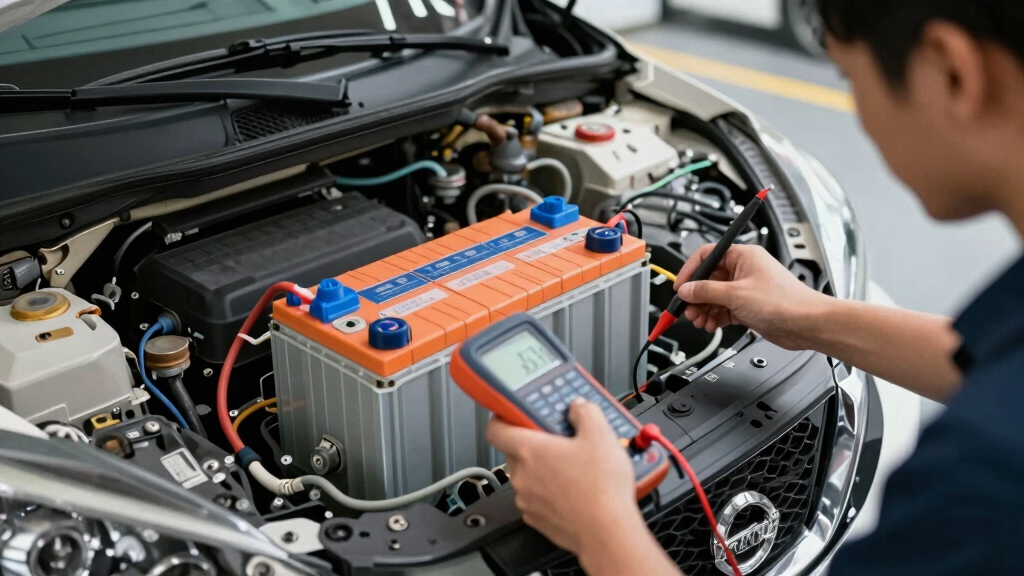
Many consumers and industry experts are worried about EV battery degradation, with the Nissan Leaf often cited as a primary example. This has fueled concerns about the long-term reliability of electric vehicles. The issue is linked to early models, but the full scope remains uncertain.
Growing concerns about electric vehicle (EV) battery degradation are being linked primarily to early Nissan Leaf models, according to recent consumer reports and industry analyses. This has led to increased apprehension about the long-term reliability of EV batteries across the market, affecting consumer confidence and future adoption.
Multiple sources, including owner testimonials and industry experts, indicate that the Nissan Leaf’s lithium-ion batteries tend to degrade faster than initially expected, especially in models produced before 2018. Nissan has acknowledged some decrease in battery capacity over time, but the extent varies widely among individual vehicles.
Research from independent testing and owner surveys suggests that the battery capacity loss can reach up to 30% within 5-7 years in some cases, raising concerns about the durability of EV batteries in general. The Nissan Leaf, as one of the earliest mass-market EVs, is often cited as a cautionary example, fueling fears that all EV batteries might face similar issues.
Automakers and industry analysts note that battery technology has improved significantly since the Leaf’s initial release, with newer models showing better longevity. However, the perception persists that early models set a precedent for battery degradation, impacting overall EV confidence.
Implications for EV Market Confidence and Consumer Trust
The widespread concern about battery degradation, fueled by the Nissan Leaf’s reputation, could slow EV adoption and influence consumer decisions. Manufacturers may face increased pressure to improve battery warranties and transparency. This issue also raises questions about the long-term value of EVs and the need for better battery management and replacement strategies.
As an affiliate, we earn on qualifying purchases.
Early Nissan Leaf Models and the Rise of Battery Longevity Concerns
The Nissan Leaf, launched in 2010, was one of the first affordable, mass-market electric vehicles. Early models used lithium-ion batteries that, over time, showed signs of capacity loss, especially in climates with extreme temperatures or high usage. Owner reports and independent tests have documented cases of significant battery degradation, leading to fears that similar issues could affect newer EVs.
While Nissan has issued some battery capacity warranties and implemented software updates to mitigate degradation, the reputation of the Leaf’s battery longevity has persisted as a cautionary tale. Industry experts note that battery technology has evolved, but the early experiences continue to influence consumer perceptions of EV reliability.
“We stand by the quality of our batteries and continue to improve our technology to ensure long-term performance.”
— Nissan spokesperson
As an affiliate, we earn on qualifying purchases.
Extent and Variability of Battery Degradation in Different Conditions
It is not yet clear how widespread severe battery degradation is across all Nissan Leaf models or other EVs. Variability depends on factors such as climate, usage patterns, and maintenance. The long-term performance of newer EV batteries remains under study, and there is ongoing debate about whether early issues predict future trends for all EVs.
As an affiliate, we earn on qualifying purchases.
Monitoring Battery Performance and Improving Industry Standards
Automakers and researchers are expected to continue monitoring EV battery longevity through long-term studies and real-world data collection. Manufacturers may also expand warranties and update software to address degradation issues. Consumers are advised to check battery health reports before purchasing used EVs and consider newer models with advanced battery management systems.
As an affiliate, we earn on qualifying purchases.
Key Questions
Are all Nissan Leaf batteries prone to rapid degradation?
No, degradation varies depending on model year, usage, and climate. Early models are more often cited, but newer Leafs have shown improved longevity.
Should I avoid buying a used Nissan Leaf due to battery concerns?
Potential buyers should review battery health reports and consider warranty coverage. Newer models generally have better battery performance.
Is battery degradation a problem exclusive to Nissan Leaf?
No, battery degradation can occur in all EVs, but the Leaf’s early models are most frequently associated with this issue due to their age and widespread use.
What are automakers doing to improve EV battery longevity?
Manufacturers are investing in advanced battery chemistries, better thermal management, and software updates to extend battery life and reliability.
How long do EV batteries typically last?
Most EV batteries are designed to last 8-15 years or around 100,000-200,000 miles, but actual longevity depends on many factors, including model and usage conditions.
Source: rss
Halloween Picks
halloween
As an affiliate, we earn on qualifying purchases.