
TL;DR
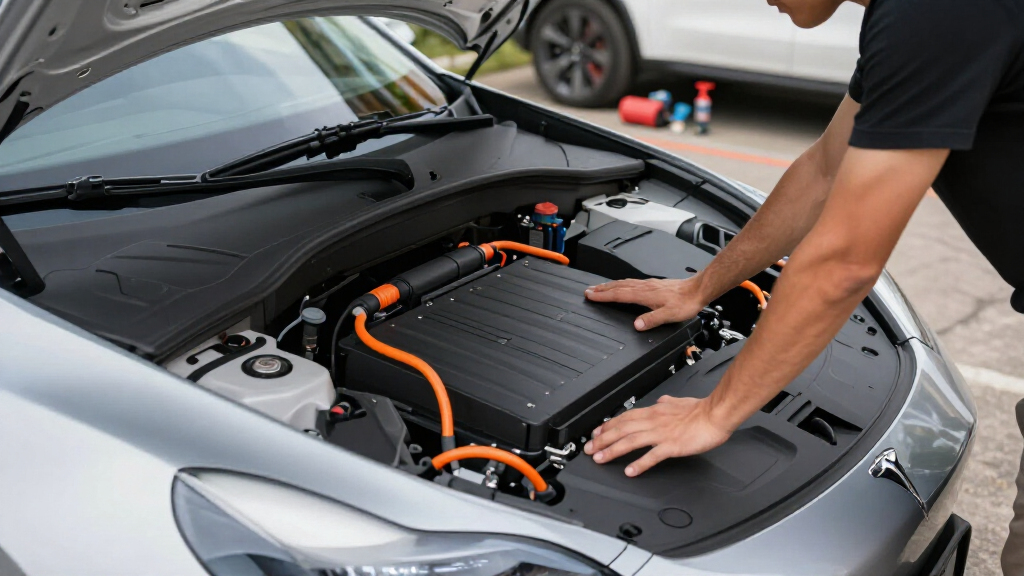
The resale prices of used Tesla Model S vehicles have declined substantially in recent months. Despite this, their batteries continue to perform well, suggesting battery longevity is not the primary reason for the price drop. This development impacts used EV markets and consumer perceptions of Tesla’s long-term value.
Used Tesla Model S prices have fallen sharply in recent months, with some reports indicating declines of up to 30%. This drop occurs despite evidence that the batteries in these vehicles are still performing reliably, raising questions about the factors influencing resale values and the overall perception of Tesla’s long-term vehicle durability.

Get business pricing on garage and car supplies
- Business-only prices and quantity discounts
- Tax-exempt purchasing
- Multiple users, one account, clear invoices
Market data from automotive resale platforms show that used Tesla Model S prices have declined by approximately 20-30% since the beginning of the year. Industry experts attribute this trend partly to increased competition in the luxury EV segment and shifting consumer demand, but the decline appears to be more pronounced than typical depreciation patterns.
Meanwhile, recent studies and owner reports indicate that the batteries in these vehicles are maintaining their capacity and performance levels, even after several years and hundreds of thousands of miles. Tesla and independent researchers confirm that battery health remains robust, with minimal capacity loss reported in most cases.
This discrepancy between falling vehicle prices and stable battery performance suggests that the market may be undervaluing used Tesla Model S vehicles, or that other factors—such as software updates, vehicle features, or market sentiment—are influencing resale values more heavily than battery longevity.
Implications for Tesla Owners and the Used EV Market
This development is significant because it challenges common perceptions that battery degradation is the primary factor behind declining EV resale values. For Tesla owners, it indicates that their batteries are likely to remain reliable even as vehicle prices fluctuate. For the broader market, it raises questions about how used EVs are valued and whether current pricing reflects actual vehicle longevity and performance.
Products Worth Considering

NOCO Boost GB250 5250A UltraSafe Jump Starter, 12V Lithium Battery Booster

NOCO Boost GBX155 4250A UltraSafe Jump Starter, 12V Lithium Battery Booster

DEWALT 20V MAX XR Brushless Hammer Drill and Impact Driver Combo Kit with Two 4 Ah Batteries and 4 A Charger (DCK2112QQ2)
As an affiliate, we earn on qualifying purchases.
Recent Trends in Used Tesla Model S Prices and Battery Performance
Over the past year, Tesla Model S prices on the used market have experienced notable declines, driven by factors such as increased competition from other luxury EV brands, changing consumer preferences, and broader economic conditions affecting car sales. Despite these price drops, Tesla’s battery technology has continued to perform well, with independent testing and owner reports confirming minimal capacity loss even after several years of use.
Historically, battery health has been a key concern for EV buyers, but recent data suggests Tesla’s batteries are aging more gracefully than many anticipated. This contrast between declining vehicle prices and stable battery health underscores the complexity of EV valuation.
Factors Driving the Rapid Price Decline in Used Model S Vehicles
It is not yet clear what specific factors are most responsible for the sharp decline in used Tesla Model S prices. Analysts suggest market sentiment, increased competition, or changes in consumer preferences could play roles, but definitive data is still emerging. The impact of potential software updates or vehicle feature obsolescence remains uncertain.
Monitoring Market Trends and Battery Performance
Market analysts and industry experts will continue to track used Tesla Model S resale prices and battery health reports over the coming months. Tesla’s own data and independent studies are expected to clarify whether the price decline reflects broader market issues or specific vehicle factors. Additionally, potential policy changes or new EV models could influence future resale values.
Key Questions
Why are used Tesla Model S prices dropping so quickly?
Experts believe factors include increased competition, changing consumer demand, and broader economic conditions, though the exact reasons are still being analyzed.
Are Tesla batteries really holding up well?
Yes. Both Tesla and independent studies report that Model S batteries retain most of their capacity even after several years and high mileage.
Does the price drop mean Tesla vehicles are less reliable?
Not necessarily. The decline in resale value appears unrelated to battery health, which remains strong. Other factors, such as market perception, are likely influencing prices.
Could this trend affect future Tesla vehicle values?
It’s possible. If battery health continues to be reliable, the market might adjust its valuation models, but current declines seem driven by external factors rather than vehicle durability.
What should Tesla owners consider about their vehicle’s value?
Owners can be reassured that their batteries are likely to remain reliable, but resale prices may fluctuate due to market conditions beyond battery performance.
Source: rss