
TL;DR

Get business pricing on garage and car supplies
- Business-only prices and quantity discounts
- Tax-exempt purchasing
- Multiple users, one account, clear invoices
A Cycling Weekly report argues that professional bike positions are built around racing speeds, training and mobility that many recreational riders do not share. For longer, slower rides, a more upright endurance setup may reduce pressure and fatigue; riders focused on speed may benefit from a more aggressive position, ideally chosen with a qualified bike fitter.
Cycling Weekly is urging recreational riders not to copy professional cyclists’ aggressive bike positions without considering their own mobility, riding speeds and goals. The report says an endurance-oriented setup may offer more comfort over long rides, while a lower, forward position can still suit riders who race or regularly ride at high speeds.
The report describes a shift in professional race-bike positioning: riders increasingly sit with their saddles farther forward relative to the bottom bracket, paired with a long, low front end. The source says this can open the hip angle and support power and aerodynamic efficiency. It cautions that professional riders may have more time for training, stretching and mobility work than people balancing cycling with desk-based jobs and other commitments.
Speed and riding conditions matter to the trade-off. The article cites men’s Tour de France stages averaging more than 45 km/h and gives 50.91 km/h as the average speed for stage 11, from Vinchy to Nevers, which it describes as the fastest in history. At high speeds, aerodynamic drag becomes a major force to overcome, supporting a more aerodynamic position for racers. The report also notes that shifting forward while keeping a long, low front end can increase pressure on the wrists and forearms.
For riders focused on recreational or endurance riding, the report recommends considering a bike with a shorter reach and higher stack. It compares the Cannondale Synapse and SuperSix, saying the Synapse offers a more upright position while retaining a lightweight frame and similar aero tube shaping. The source argues that less fatigue on longer rides could make a comfortable setup faster in practice, though it does not provide comparative test data to quantify that effect.
Comfort Can Shape Ride Performance
The choice of position affects more than how a bike looks. A setup that causes persistent wrist, neck or other discomfort may make it harder to ride for long periods, while a more upright position can be easier to sustain for riders whose events and training do not demand a professional-style aero posture. The report presents comfort as a potential performance advantage over long distances, not a guarantee that an endurance bike will be faster for every rider.
That distinction matters when cyclists shop for bikes or adjust their equipment. Professional racers optimize for specific demands, including speed, race conditions and their own physical preparation. Recreational riders can have different priorities, such as comfort over several hours, gravel handling or simply riding more often. A bike’s label or professional use does not establish that its geometry is right for every customer.
Individual fit also has safety and health implications: pain or pressure can make rides difficult and may indicate that a position needs adjustment. The source recommends a specific bike fit, with a fitter assessing range of motion and asking about goals. Riders should avoid treating a single adjustment as universal advice; fit depends on the individual and the bike.
ergonomic bike saddle for long rides
As an affiliate, we earn on qualifying purchases.
As an affiliate, we earn on qualifying purchases.
Race Setups Serve Different Demands
The report contrasts professional road racing with rides at more typical recreational speeds. Its example of Tour de France stages averaging above 45 km/h illustrates why aerodynamic gains can carry substantial weight for racers. That context does not mean every rider should adopt the same low position: the source links professional setups to both high-speed competition and athletes’ ability to maintain them through conditioning and mobility work.
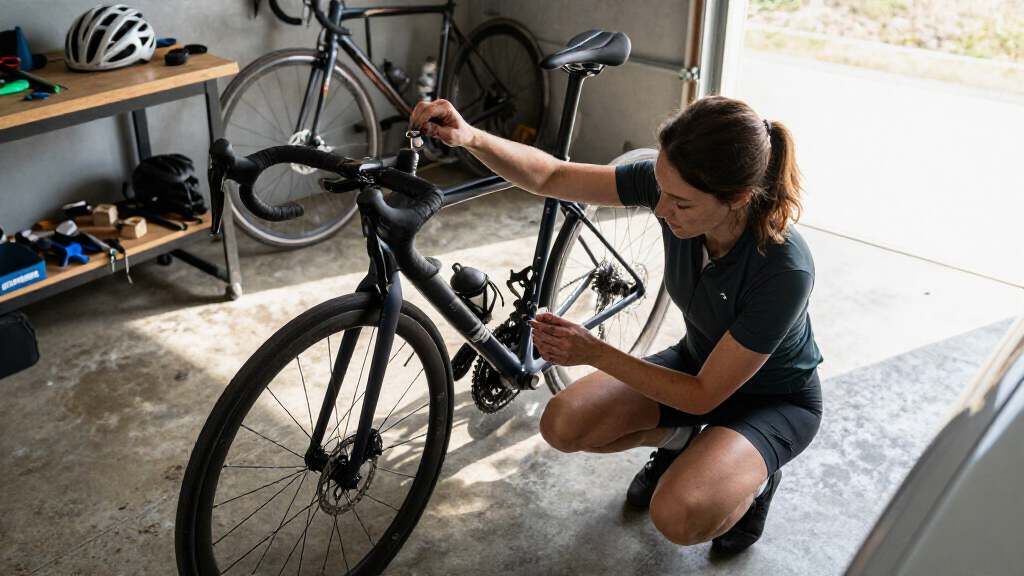
The author also gives a personal example rather than a controlled comparison. Their gravel bike has a shorter, slightly higher stem to support a more upright posture and reduce wrist pressure on rough surfaces. Their road bike is set up farther forward with a longer front end for faster riding, but maintaining that position for longer rides requires stretching and mobility work. The author says they often ride the gravel bike with road wheels and tires because its position is more sustainable for them.
The report’s guidance is not a claim that endurance bikes always outperform race bikes. It says the Cannondale Synapse and SuperSix differ in fit and intended use, and that the main distinction is that one is raced at WorldTour level while the other is not. The source’s broader point is to match geometry to the rider and the intended use.
“We should base [bike position] on our individual physiology, biomechanics, and the type of events we are targeting.”
— Cycling Weekly report
As an affiliate, we earn on qualifying purchases.
Fit Advice Depends on the Rider
The supplied report does not provide a publication date, controlled testing, or numerical comparisons of comfort, fatigue or speed between the bike models it discusses. Its claims about the likely benefits of endurance geometry are presented as guidance and interpretation, not as results from a cited comparative trial.
It is also not possible to prescribe a particular saddle position, stem length or handlebar height for all readers from the article alone. The right setup depends on individual mobility, proportions, riding experience, goals and tolerance. The report does not specify how much a rider should change their position at home, or establish that discomfort always comes from bike fit rather than another cause.
As an affiliate, we earn on qualifying purchases.
Start With Goals and a Fit
For riders choosing a new bike or reconsidering their current position, the report’s next step is to identify the type of riding they do and seek an individualized fit. It recommends a fitter who checks range of motion and asks about the rider’s targets, distinguishing race-focused setups from positions intended for sustained power and comfort.
Riders who prioritize long rides, sportives or more relaxed speeds can compare endurance geometry with race geometry, including reach and stack, rather than relying on a model’s professional associations. Those pursuing fast group rides or amateur racing may have stronger reasons to consider an aerodynamic position, but the report still advises matching it to what they can maintain comfortably. The source provides no specific follow-up test or deadline; the practical next step is a fit assessment tailored to the rider.
adjustable bike stem for upright position
As an affiliate, we earn on qualifying purchases.
As an affiliate, we earn on qualifying purchases.
Key Questions
Should recreational cyclists copy professional bike positions?
Not automatically. The report says professional positions reflect racing speeds, training and mobility that many recreational riders may not share. A rider’s own body, comfort and goals should guide the setup.
Who might benefit from an endurance bike?
Riders focused on longer rides, sportives or more moderate speeds may find a shorter-reach, higher-stack position more comfortable. The report does not claim that endurance bikes are best for every rider.
When can a more aggressive position make sense?
A lower, more aerodynamic position may suit riders who race or regularly ride at high speeds, where reducing aerodynamic drag matters. It still needs to be a position the rider can sustain.
What should a professional bike fit include?
The report recommends a fitter who assesses range of motion and asks about riding goals. A fit should reflect whether the rider prioritizes racing, endurance, comfort or another specific use.
Does the report prove that an endurance bike is faster?
No. It argues that greater comfort may reduce fatigue on longer rides and could help a rider maintain performance, but it provides no controlled speed comparison or quantified test results.
Source: rss
Halloween Picks
halloween
As an affiliate, we earn on qualifying purchases.