
TL;DR
Listen free for 30 days with Audible
Thousands of audiobooks and originals — cancel anytime.
Start your free trialAs an affiliate, we earn on qualifying purchases.
General Motors has introduced new V8 trucks that eliminate the traditional oil dipstick, replacing it with a digital oil level gauge. The change marks a significant shift in vehicle maintenance design, but details remain preliminary.
General Motors has confirmed that its latest V8-powered trucks no longer include a traditional oil dipstick, replacing it with a digital oil level gauge integrated into the vehicle’s dashboard. This change marks a notable shift in vehicle maintenance design, emphasizing digital monitoring over manual checks. The move is confirmed by GM representatives and has been observed in recent vehicle models, though official detailed explanations are still pending.
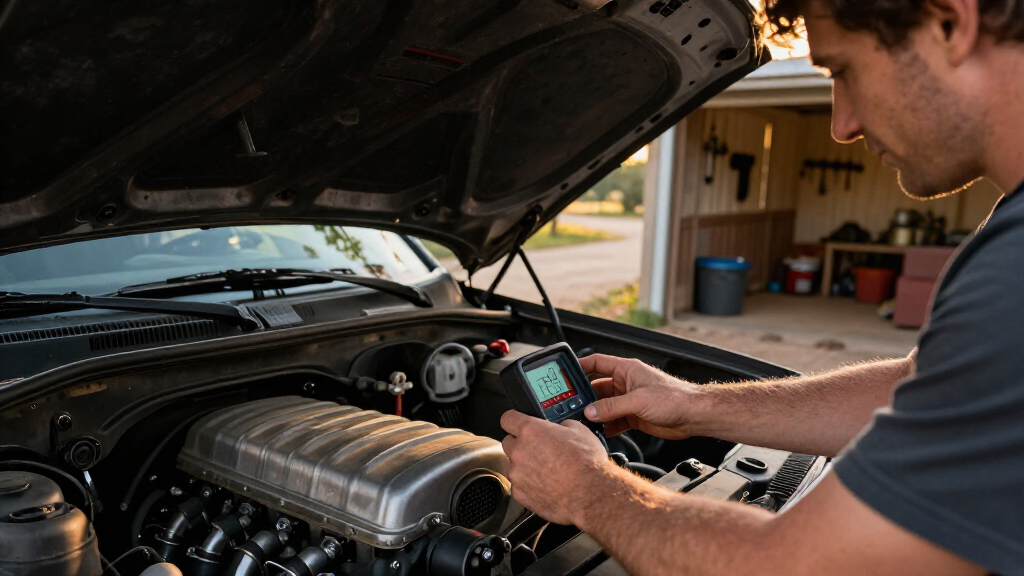
GM’s new V8 trucks feature a digital oil level gauge that replaces the conventional dipstick, which has been a standard component for decades. The digital gauge is integrated into the vehicle’s infotainment system or instrument cluster, providing real-time oil level readings without the need for manual inspection. GM has not yet released comprehensive technical details about the system or the reasoning behind the change, but industry observers note that this aligns with a broader trend toward digital vehicle diagnostics. The change appears limited to specific recent models, with no confirmation yet if it will extend across GM’s entire truck lineup or other vehicle categories.Automakers have been gradually increasing digital and sensor-based diagnostics in recent years, but replacing the traditional dipstick entirely is unusual. GM’s move has sparked industry interest and debate about maintenance practices, reliability, and the implications for vehicle owners and service providers. Some experts suggest that such systems could improve maintenance accuracy and reduce user error, while others raise concerns about potential technical failures or the loss of a simple, low-cost manual check. GM has not issued a formal statement explaining the benefits or the technology behind this change, leaving many questions unanswered.
Implications of Replacing Manual Oil Checks with Digital Gauges
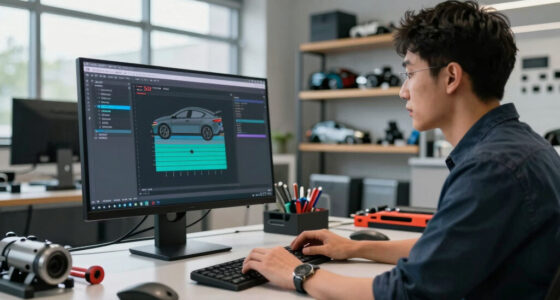
The shift from a traditional oil dipstick to a digital oil level gauge in GM’s new V8 trucks signifies a broader move toward digitalization in vehicle maintenance. This change could impact how owners monitor their vehicle health, potentially offering more precise, real-time data and reducing manual inspection needs. However, it also raises questions about system reliability, repair costs, and whether this reflects a long-term industry trend or a specific experiment by GM. For consumers, it may mean adapting to new maintenance routines and trusting digital diagnostics over simple manual checks. For the automotive service industry, this could alter routine inspection procedures and parts replacement practices, emphasizing sensor calibration and software updates.digital oil level gauge for trucks
As an affiliate, we earn on qualifying purchases.
As an affiliate, we earn on qualifying purchases.
Industry Trends Toward Digital Vehicle Maintenance
Automakers have increasingly integrated digital diagnostics into vehicles, including remote monitoring and sensor-based systems, driven by advancements in automotive electronics and consumer demand for connected features. While traditional dipsticks have remained a low-cost, manual method for checking oil levels, recent models from various manufacturers have begun incorporating electronic sensors and display systems. GM’s latest move appears to be an extension of this trend, with a focus on eliminating manual components in favor of digital interfaces. Historically, the oil dipstick has been a simple, reliable, and inexpensive tool, but as vehicles become more complex, automakers are exploring digital alternatives that can provide more detailed data and potentially improve maintenance accuracy.vehicle digital oil monitoring system
As an affiliate, we earn on qualifying purchases.
As an affiliate, we earn on qualifying purchases.
Unconfirmed Details About the Digital Oil Monitoring System
It is not yet clear how the digital oil gauge functions technically, whether it is more accurate or reliable than traditional dipsticks, or if it has any limitations. GM has not released detailed specifications or technical documentation, and independent verification is pending. Additionally, it remains unknown whether this feature will be standard across all V8 models or limited to specific trims or markets. The long-term durability and repairability of the digital sensor system are also still unconfirmed, raising questions about maintenance costs and potential failure modes.As an affiliate, we earn on qualifying purchases.
Next Steps for GM’s Digital Maintenance Features
GM is expected to provide further technical details and official explanations in the coming weeks, including whether the digital gauge will be adopted across broader vehicle lines. Industry observers anticipate that independent reviews and user feedback will emerge after owners begin experiencing the system in real-world conditions. Automakers and aftermarket service providers will likely monitor the system’s performance, reliability, and impact on maintenance routines. Regulatory agencies may also scrutinize the safety and reliability aspects of replacing manual maintenance components with digital systems, especially in critical vehicle functions.automotive sensor diagnostics tools
As an affiliate, we earn on qualifying purchases.
As an affiliate, we earn on qualifying purchases.
Key Questions
Why did GM replace the traditional oil dipstick with a digital gauge?
GM has not officially explained the specific reasons, but it appears to be part of a broader trend toward digital diagnostics aimed at providing real-time, precise vehicle data and reducing manual maintenance checks.
Will this digital oil level system be available on all GM trucks?
It is currently unconfirmed whether the digital gauge will be standard across all V8 trucks or limited to certain models or trims. GM has only announced its presence on recent models.
How reliable is a digital oil level sensor compared to a traditional dipstick?
Reliability data is not yet available. Experts note that sensor-based systems could offer more precise readings, but their long-term durability and susceptibility to failure remain unknown.
What happens if the digital oil gauge fails or gives inaccurate readings?
This remains unclear. GM has not disclosed backup procedures or whether manual checks will still be available if the digital system malfunctions.
Could this change lead to higher maintenance costs?
Potentially. Sensor systems might require software updates or repairs, which could increase costs compared to traditional dipstick checks, but specific impacts are yet to be determined.
Source: rss
NFL season / tailgating Picks
team gear
As an affiliate, we earn on qualifying purchases.