
TL;DR

Get business pricing on garage and car supplies
- Business-only prices and quantity discounts
- Tax-exempt purchasing
- Multiple users, one account, clear invoices
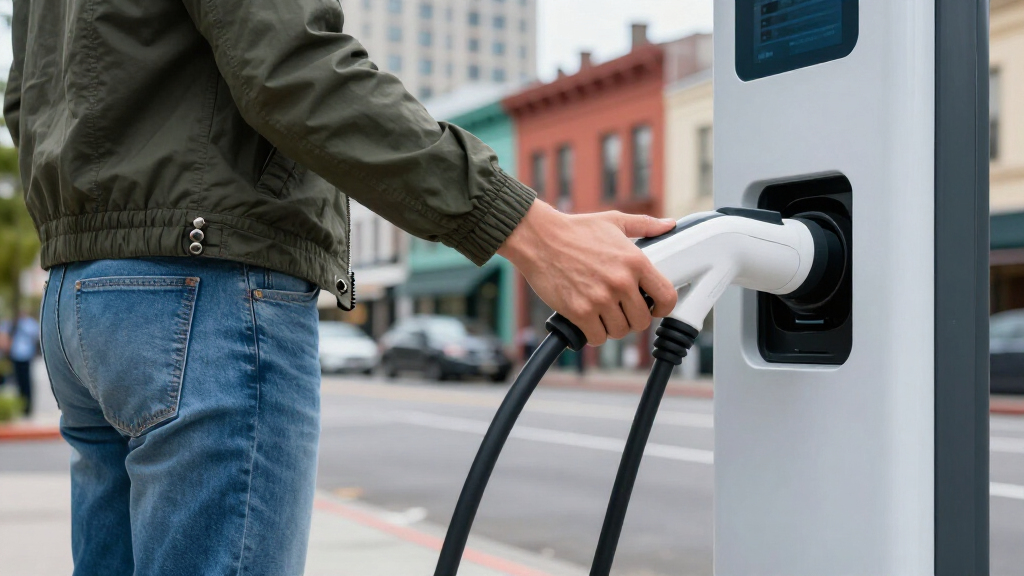
San Francisco is launching initiatives to expand curbside electric vehicle charging stations, addressing the U.S.’s slow progress in this area. The move aims to improve EV adoption and reduce reliance on private charging at home.
San Francisco has unveiled a comprehensive plan to expand curbside electric vehicle (EV) charging stations, aiming to address the U.S.’s status as a laggard in public EV charging infrastructure. This initiative seeks to improve access for residents who lack private charging options and to support the city’s broader climate goals. The move underscores growing concerns that the national infrastructure has not kept pace with the rapid rise in EV adoption, which is vital for reducing emissions and meeting state and federal targets.
San Francisco’s new policy includes the installation of hundreds of additional curbside EV chargers across the city, prioritizing neighborhoods with limited access to private garages. The city’s transportation department announced that the first phase will roll out 300 new charging stations over the next year, with plans to expand further based on usage and demand. Officials say this effort is part of a broader strategy to make EV ownership more equitable and practical, especially for residents in multi-family housing or without dedicated parking.
According to city officials, the initiative is also designed to reduce the burden on existing public charging networks, which are often overburdened and unevenly distributed. The city has partnered with private companies and non-profit organizations to facilitate installation and maintenance, aiming for a mix of fast chargers and standard outlets to accommodate different needs. The project is supported by federal grants and local funding, reflecting a significant investment in infrastructure development.
While the plan is a notable step forward, experts acknowledge that the U.S. overall remains behind other nations in curbside EV charging deployment. Nationally, the number of public chargers per capita is significantly lower than in countries like Norway or the Netherlands, which have made EV infrastructure a priority for years. Industry analysts point out that the U.S. has focused heavily on highway corridor charging and home-based solutions, leaving urban curbside needs less addressed.
Why Expanding Curbside Charging Is Critical for EV Adoption
This initiative matters because it directly tackles one of the main barriers to EV adoption: access to reliable, convenient charging. For residents without private garages or dedicated parking, the lack of curbside charging options limits their ability to switch to electric vehicles. By expanding these stations, San Francisco aims to make EV ownership more practical and equitable, potentially accelerating the city’s climate goals and reducing local emissions. Furthermore, the move signals a recognition that the U.S. must catch up in urban EV infrastructure to sustain the growing demand and support broader environmental commitments.
public curbside EV charging station
As an affiliate, we earn on qualifying purchases.
As an affiliate, we earn on qualifying purchases.
U.S. Curbside Charging Infrastructure: A Slow Start
Across the United States, the development of curbside EV charging stations has lagged behind other countries and even behind the pace of EV sales growth. Industry reports indicate that the U.S. has fewer public chargers per capita compared to nations with aggressive EV policies. Most U.S. investments have focused on highway corridor chargers or private home installations, leaving city streets and multi-family housing areas underserved. This has become a concern as EV adoption increases, especially among urban residents who rely on public or curbside charging options. The trend is driven by a combination of regulatory, logistical, and funding challenges, with many cities only beginning to prioritize curbside infrastructure.
Recent coverage interest has spiked as more cities recognize the need to catch up and address equity issues related to EV access. The trigger appears to be a growing awareness that without widespread curbside charging, the transition to electric vehicles may stall among urban populations, undermining climate and transportation goals.
As an affiliate, we earn on qualifying purchases.
Unclear Impact and Funding Sustainability
It is not yet clear how quickly the new charging stations will be installed and become operational, or how effectively they will serve high-demand areas. Funding sources beyond initial grants are also uncertain, raising questions about long-term maintenance and expansion. Additionally, the overall impact on EV adoption rates in San Francisco remains to be seen, as other barriers such as vehicle costs and consumer awareness persist. The broader national picture continues to be uncertain, with policy and investment levels varying across states and cities.
As an affiliate, we earn on qualifying purchases.
Next Steps and Monitoring Progress
San Francisco plans to begin installing the first batch of curbside chargers within the next three months, with a phased rollout over the next year. City officials will monitor usage patterns, public feedback, and infrastructure performance to inform further expansion. Meanwhile, other U.S. cities are observing these developments, and federal policymakers are under pressure to increase support for urban EV infrastructure. The success of San Francisco’s initiative could influence broader adoption of curbside charging policies nationwide.
home and public EV charging station
As an affiliate, we earn on qualifying purchases.
As an affiliate, we earn on qualifying purchases.
Key Questions
Why is curbside charging important for EV adoption?
Curbside charging provides accessible options for residents without private garages, making EV ownership feasible for more people and supporting equitable adoption.
How many new chargers will San Francisco install?
The city plans to install approximately 300 new curbside charging stations in the first phase, with further expansion depending on demand and funding.
Will the new infrastructure address current charging shortages?
Yes, the initiative aims to reduce congestion and improve access in underserved neighborhoods, addressing existing gaps in the city’s charging network.
Is this part of a national trend?
While some cities are beginning to prioritize curbside charging, overall U.S. infrastructure development remains slower compared to other countries, with many regions still in early planning stages.
Source: rss
Halloween Picks
halloween
As an affiliate, we earn on qualifying purchases.