
TL;DR

Get business pricing on garage and car supplies
- Business-only prices and quantity discounts
- Tax-exempt purchasing
- Multiple users, one account, clear invoices
The Driver and Vehicle Licensing Agency (DVLA) has issued bans on 76 vehicle registration plates for breaching regulations. The move aims to prevent misuse and illegal activities associated with certain plates. The specifics of the plates and reasons for bans are still being clarified.
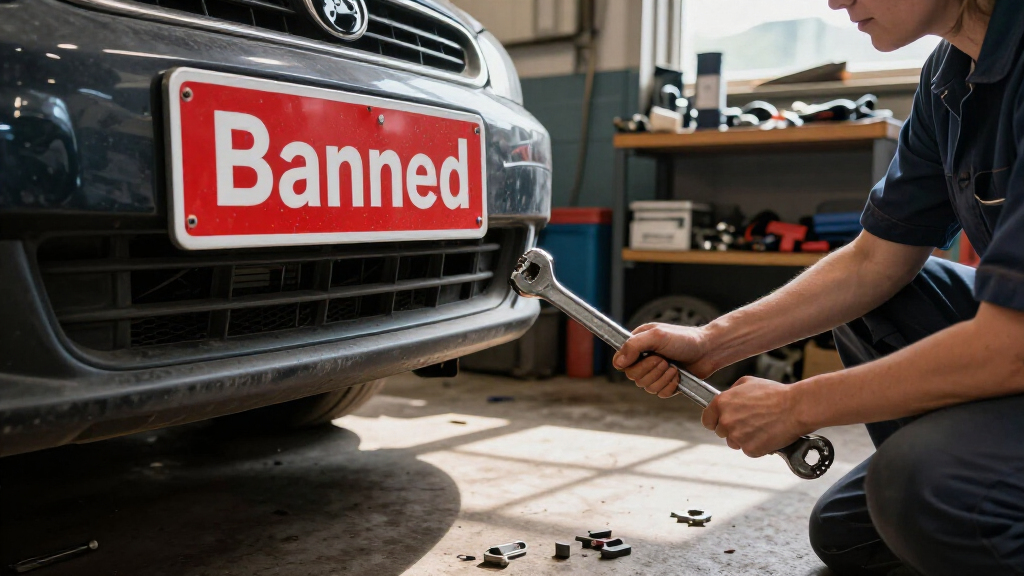
The Driver and Vehicle Licensing Agency (DVLA) has banned a total of 76 vehicle registration plates for breaching regulations, marking a major enforcement effort to prevent misuse and illegal activity involving vehicle identifiers. This action underscores the agency’s ongoing efforts to uphold registration integrity and combat fraudulent practices, making it a notable development for vehicle owners and law enforcement alike.
According to the DVLA, the bans were issued after identifying registration plates that violated its rules, including those deemed offensive, misleading, or associated with illegal activities. The plates, which are now invalid for use, were flagged during routine checks and investigations into misuse or fraudulent registration attempts. The DVLA has not disclosed the specific plates involved but confirmed that the bans are part of a broader crackdown on illegal registration practices.
Officials emphasized that the banned plates could not be legally assigned or used on vehicles moving on public roads. The agency also clarified that owners of vehicles already displaying these plates are required to replace them to remain compliant with the law. The bans are effective immediately, and the DVLA has urged vehicle owners to verify their registration details and ensure their plates are compliant.
While the exact reasons for each plate’s ban vary, common issues include offensive language, misleading characters, or plates linked to fraudulent activity. The DVLA highlighted that the enforcement aims to deter the use of such plates, which can be exploited for criminal purposes such as evading detection or impersonation.
Legal and Safety Implications of Plate Bans
This enforcement action by the DVLA is significant because it directly impacts vehicle registration standards and helps prevent misuse of license plates for illegal activities. Banning 76 plates sends a clear message that the agency is actively monitoring and cracking down on violations, which enhances road safety and supports law enforcement efforts. For vehicle owners, it underscores the importance of complying with registration rules and avoiding plates that could be deemed offensive or misleading, which could lead to legal penalties or vehicle impoundment.
vehicle registration plate replacement kit
As an affiliate, we earn on qualifying purchases.
As an affiliate, we earn on qualifying purchases.
Background on DVLA’s Plate Regulation Enforcement
The DVLA has long regulated vehicle registration plates to prevent misuse, fraud, and offensive content. Over recent years, the agency has increased efforts to identify and ban plates that violate rules, especially those that could be used for criminal purposes or offend public sensibilities. This latest action, involving 76 plates, follows a series of similar crackdowns aimed at maintaining the integrity of vehicle registration systems.
Historically, the DVLA has taken action against plates that contain offensive language, misleading characters, or are associated with illegal activities such as fraud or impersonation. The process involves routine checks, public complaints, and investigations into suspicious registration patterns. The recent bans reflect the agency’s ongoing commitment to these enforcement priorities.
Prior to this, the DVLA has banned hundreds of plates over the past decade, but the recent figure of 76 indicates a focused, targeted effort, possibly linked to specific investigations or new regulatory measures introduced this year.
“We have banned 76 vehicle registration plates to prevent their misuse and to uphold the integrity of vehicle registration standards. Owners should ensure their plates comply with all regulations.”
— A DVLA spokesperson
As an affiliate, we earn on qualifying purchases.
Details of Plates and Specific Offenses Still Unclear
It is not yet clear which specific registration plates have been banned or the detailed reasons for each ban. The DVLA has not publicly disclosed the list of plates involved, citing privacy and security considerations. The exact criteria used to determine violations in each case are also not fully detailed, though offensive language and links to fraudulent activity are suspected factors.
Further information about whether any plates are linked to ongoing criminal investigations remains undisclosed, and the full scope of the crackdown is still emerging.
custom vehicle registration plates
As an affiliate, we earn on qualifying purchases.
As an affiliate, we earn on qualifying purchases.
Next Steps for Vehicle Owners and Enforcement Actions
Owners of vehicles displaying the banned plates are required to replace them promptly to avoid legal penalties. The DVLA has urged owners to check their registration details and update their plates accordingly. Additionally, the agency is expected to continue monitoring registration plates and may issue further bans if violations are detected.
Law enforcement agencies may also increase scrutiny of vehicles with suspect plates, particularly those linked to criminal activity. The DVLA plans to collaborate with police and other authorities to further identify and prevent misuse of registration plates.
In the coming weeks, more details about the specific plates involved and the enforcement process are expected to be released, providing clearer guidance for vehicle owners and stakeholders.
number plate cleaning and maintenance kit
As an affiliate, we earn on qualifying purchases.
As an affiliate, we earn on qualifying purchases.
Key Questions
Why did the DVLA ban these 76 plates?
The DVLA banned these plates because they violated registration rules, including offensive content, misleading characters, or links to illegal activities, to prevent misuse and maintain standards.
Are vehicle owners required to change their plates immediately?
Yes, owners of vehicles with the banned plates must replace them to comply with the law and avoid penalties, as the plates are now invalid for use.
Will the DVLA disclose which plates were banned?
The DVLA has not publicly disclosed the specific plates involved, citing privacy and security reasons, but may release further details in the future.
Could these bans affect law enforcement efforts?
Yes, banning problematic plates helps law enforcement prevent criminal activities such as fraud, impersonation, or evasion, and supports road safety initiatives.
Is this part of a larger crackdown?
Yes, the recent bans are part of ongoing efforts by the DVLA to monitor and enforce registration standards, with more actions expected in the future.
Source: google-trends
Halloween Picks
halloween
As an affiliate, we earn on qualifying purchases.